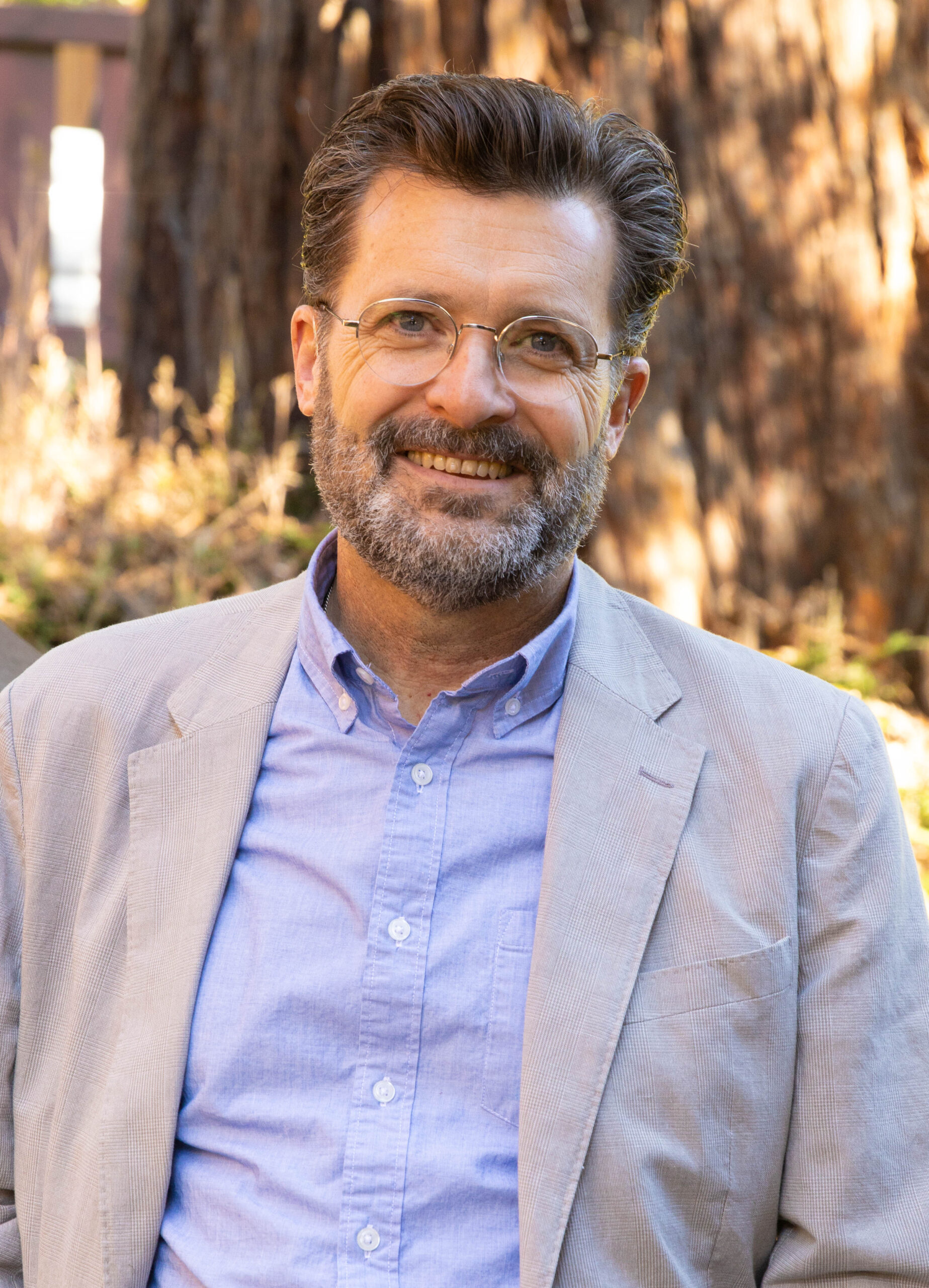
I did a lot of traveling while writing Grace Over Guns, and, while I traveled and wrote I also took photos, some of which I’m publishing here.
Here are photos I took while in Belfast, writing the introduction.
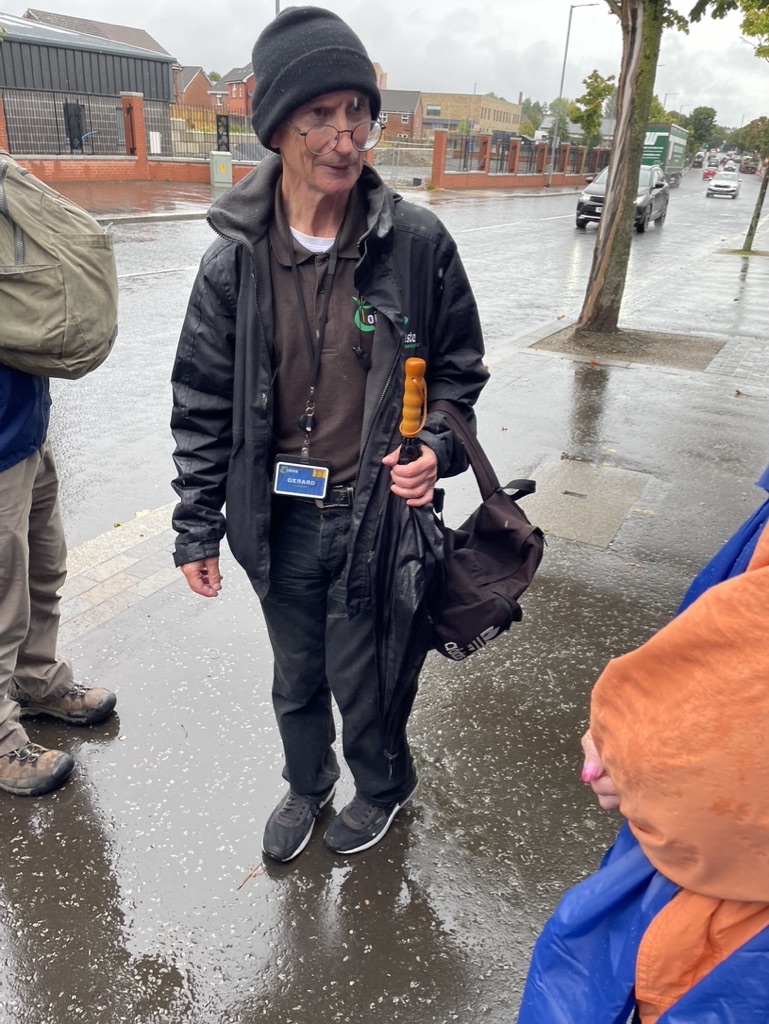
This is Gerard Fusco, a former IRA member who was my tour guide in the Catholic neighborhood in Belfast.This is the wall that separates the Catholic and Protestant neighborhoods in Belfast. The wall is taller than the Berlin Wall and also taller that the separation wall in the West Bank. This is the wall in the gate that still closes every night.
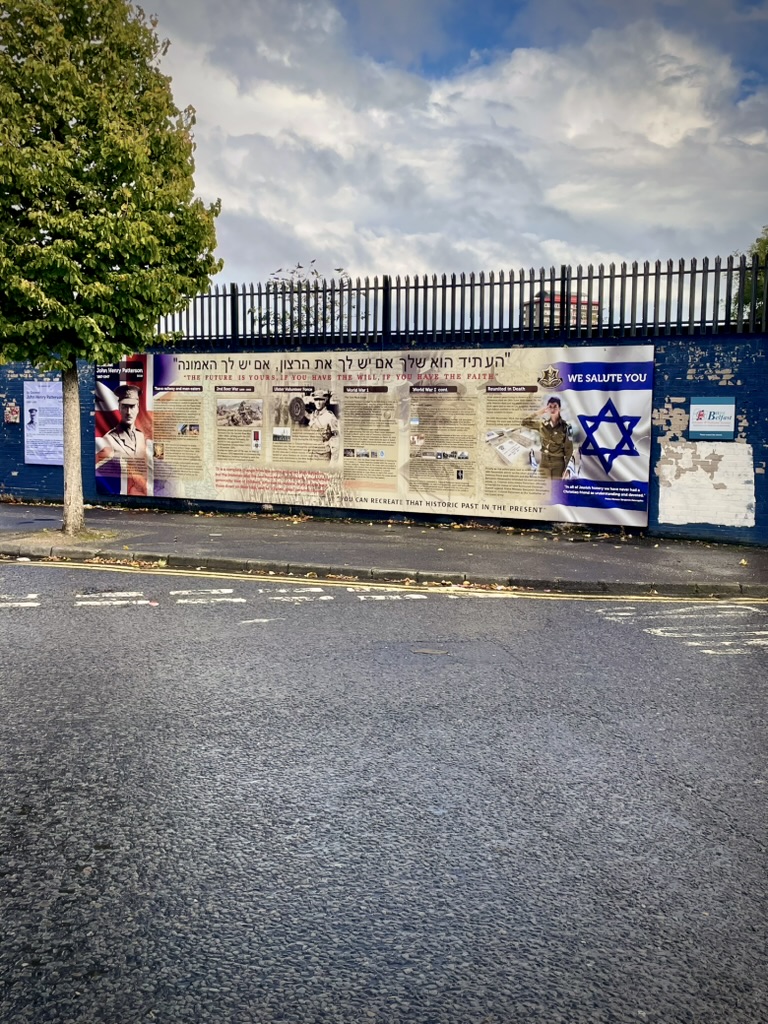
On the Protestant side of the wall they love the King.
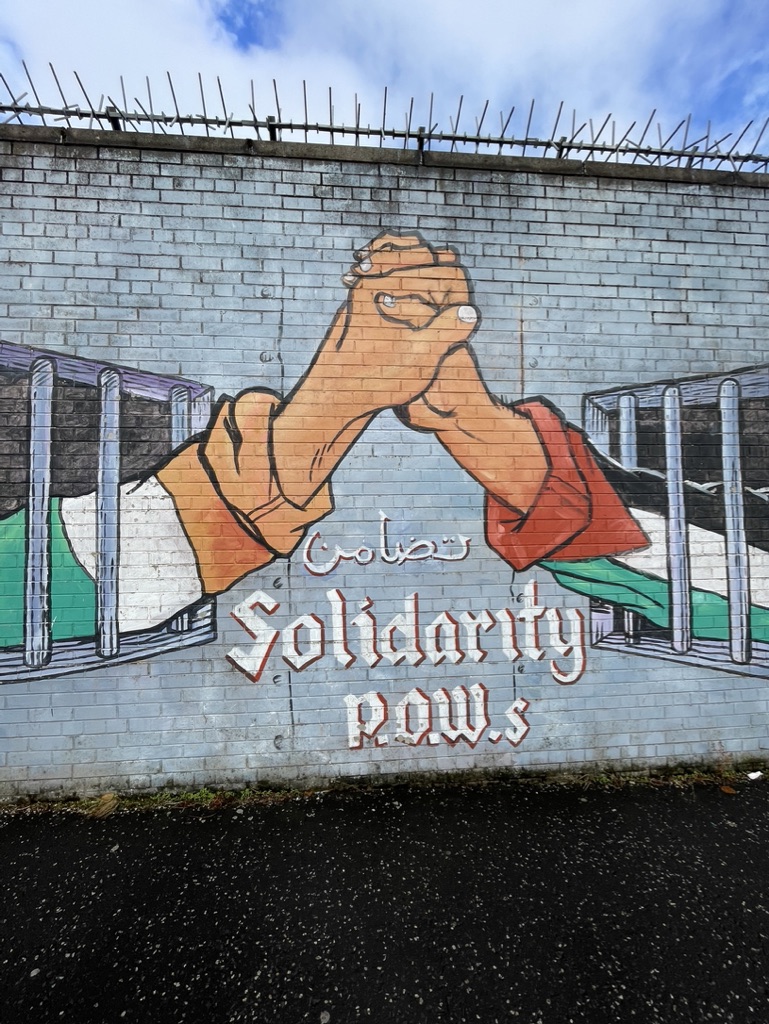
On the Catholic side they celebrate the American civil rights movement.
The Protestants in Belfast love Israel.
On the Catholic side they support Palestine.
Here are photos I took in Costa Rica writing the first chapter of Grace Over Guns.
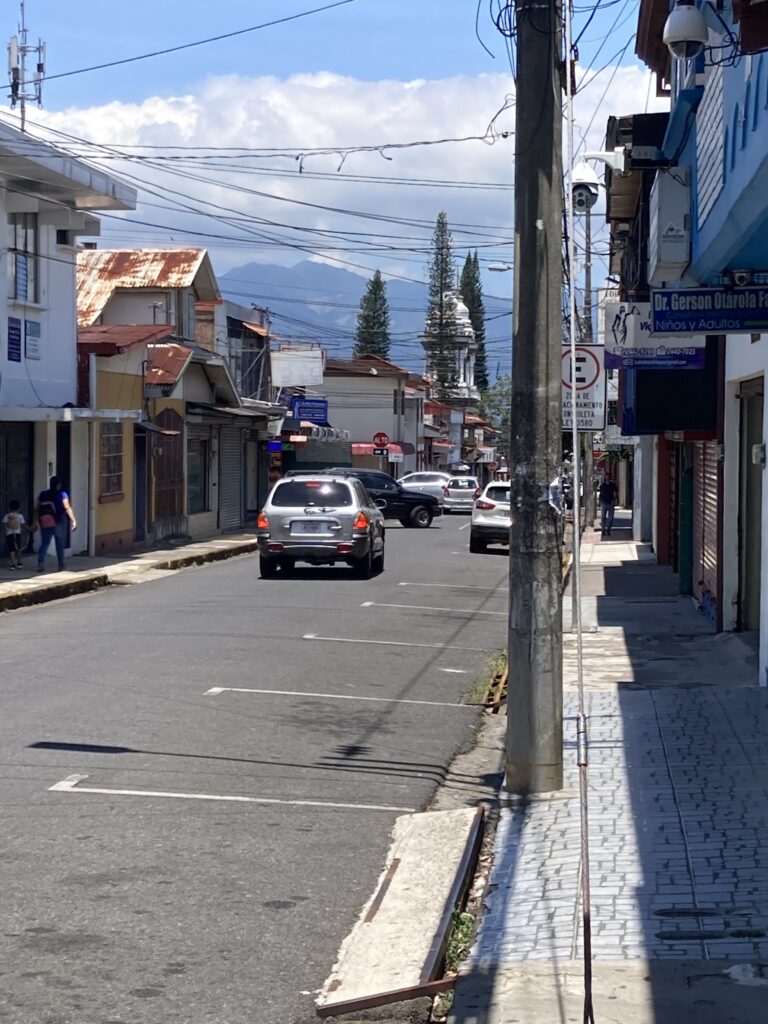
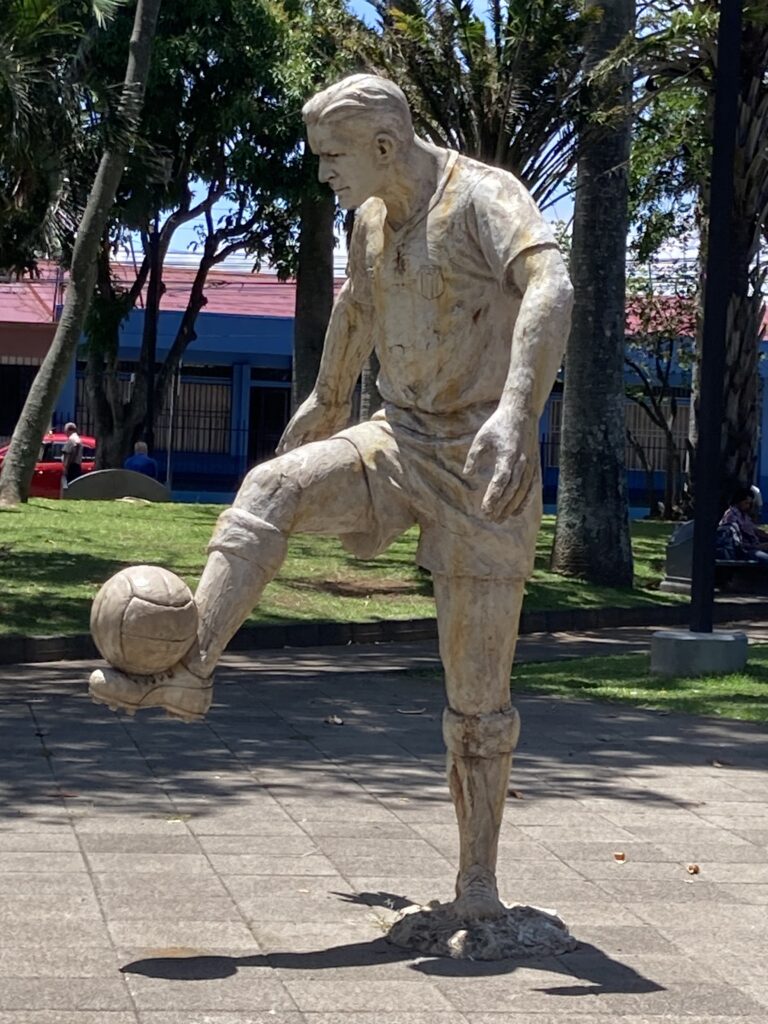
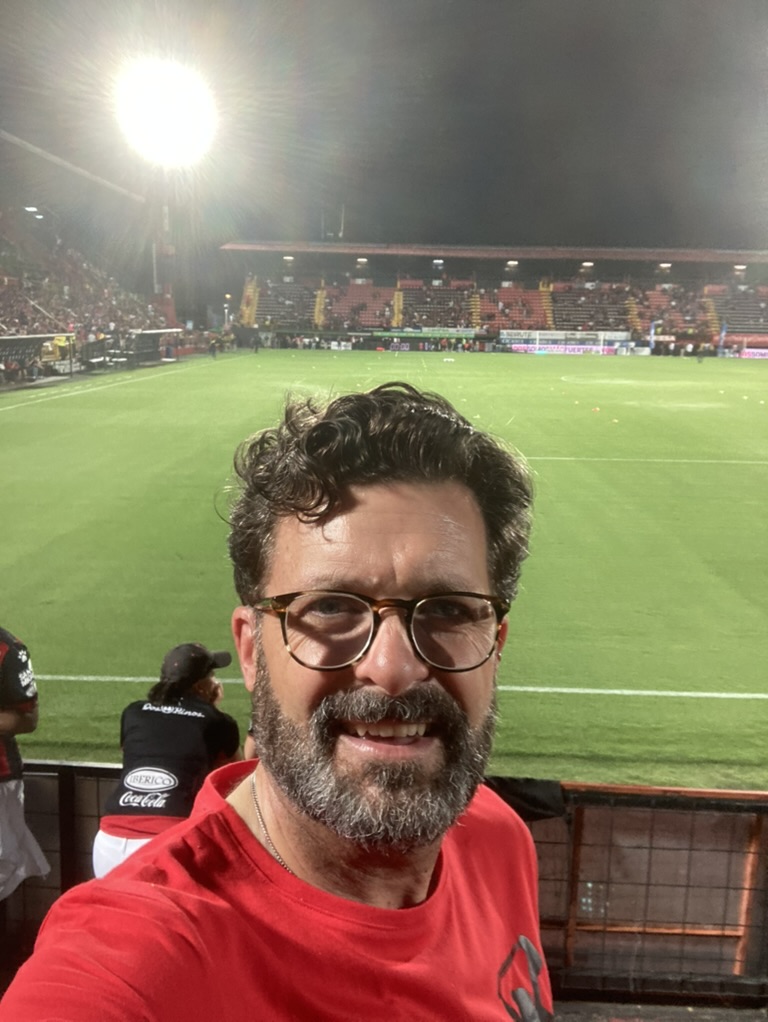
Downtown AlajuelaA statue of Alejandro Morera Soto, perhaps the greatest Costa Rican fútbol player of all time. His heart is said to be buried under the turf of the soccer stadium that bears his name.Here’s a selfie I took in Alejandro Morera Soto stadium before a match between Alajuela and Saprisa, a team from San José.
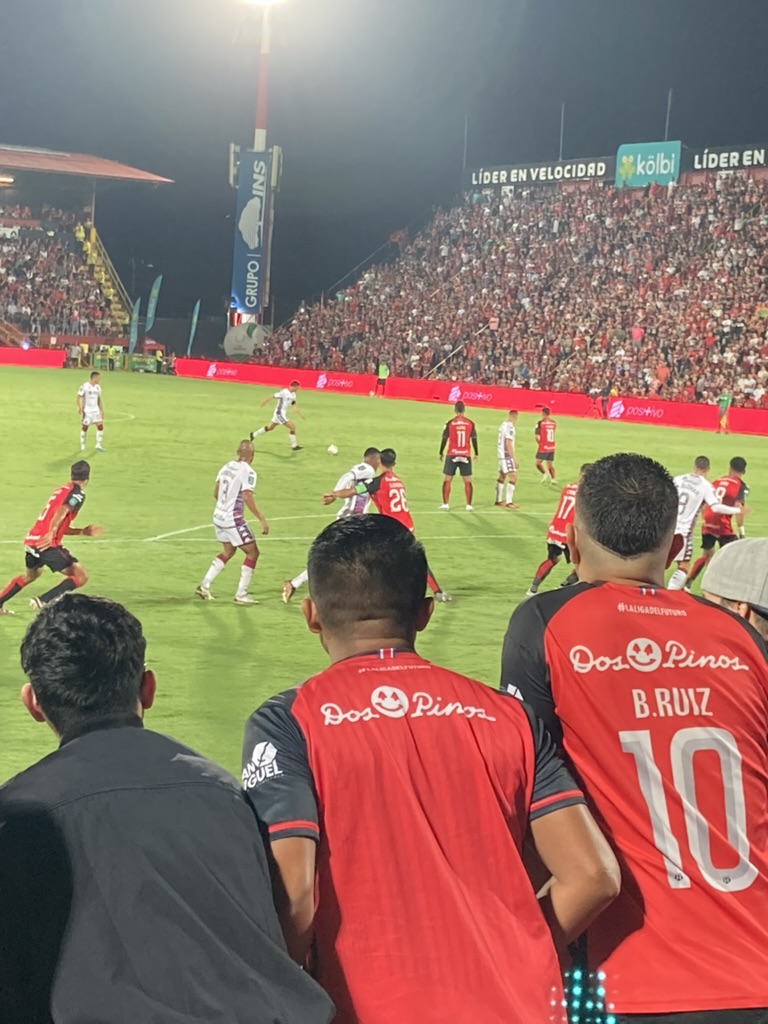
Here’s what the stadium looked like packed with fans.
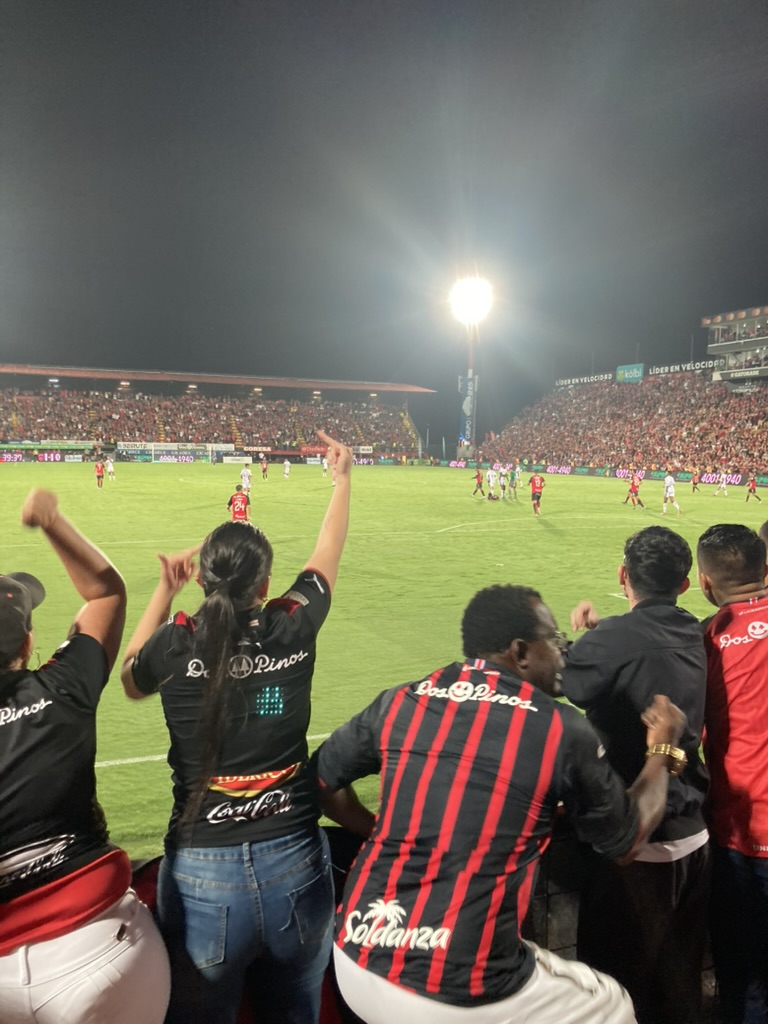
And these fans were bananas.
Here are photos I took in Costa Rica while writing the second chapter of Grace Over Guns.
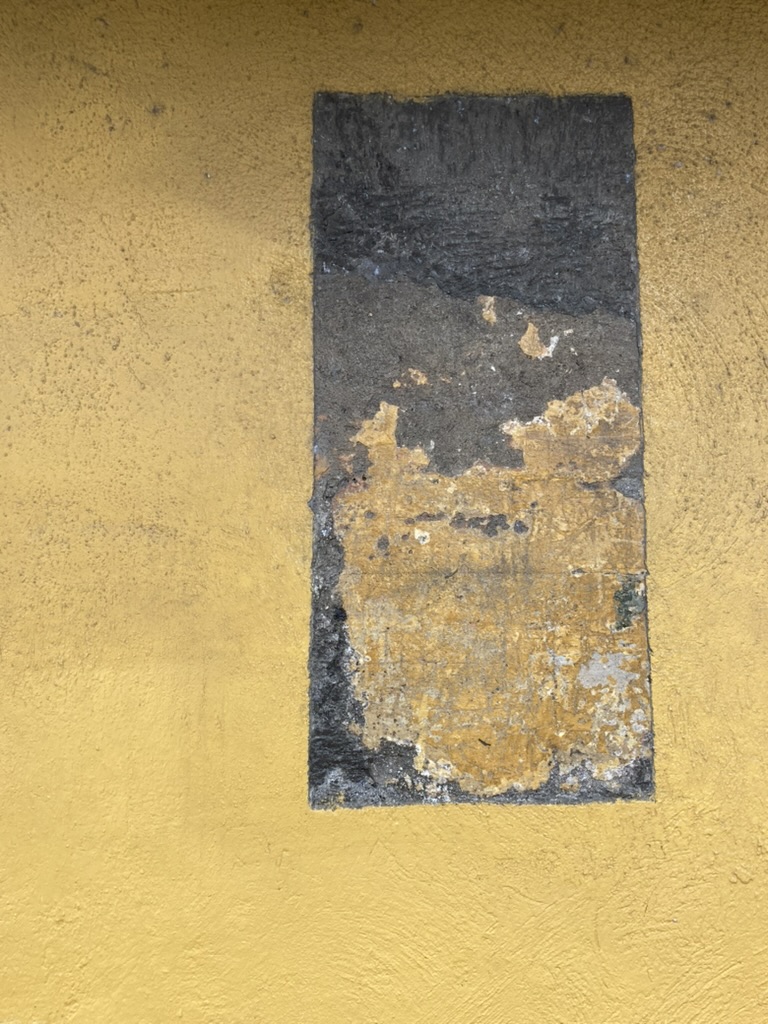
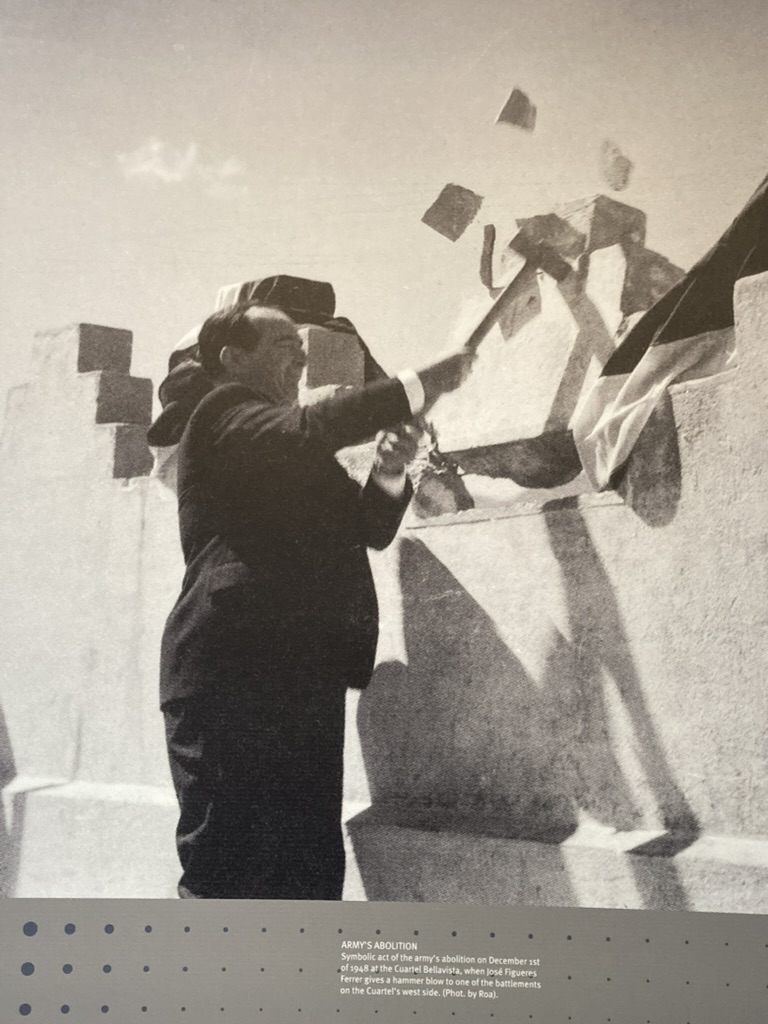
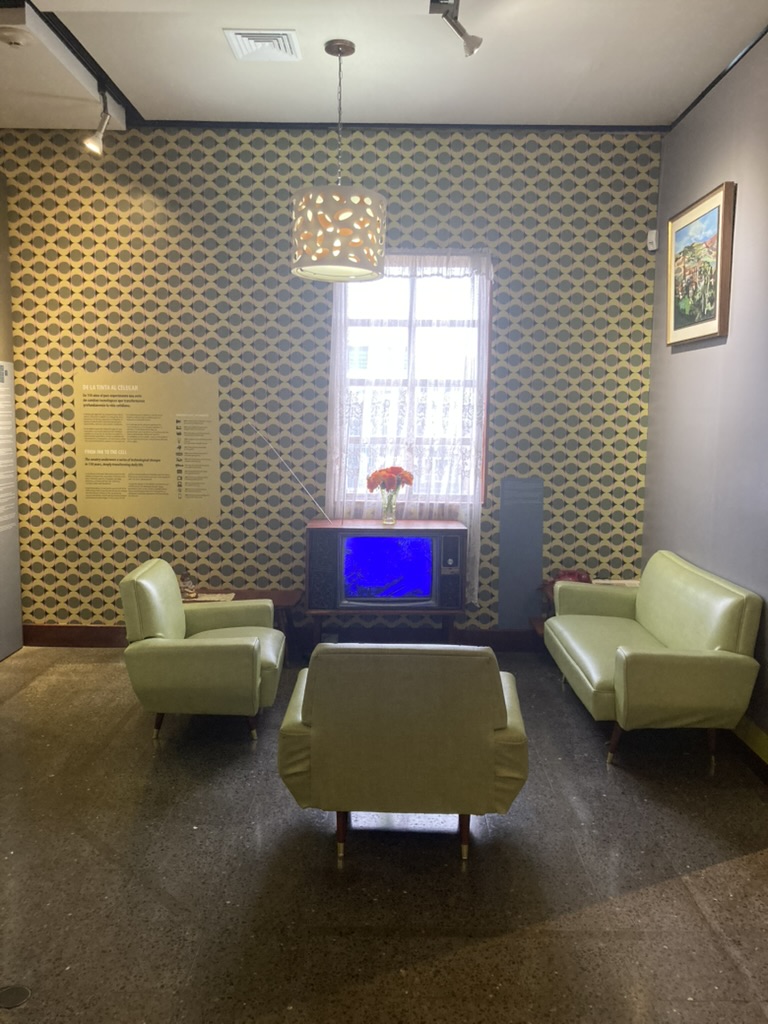
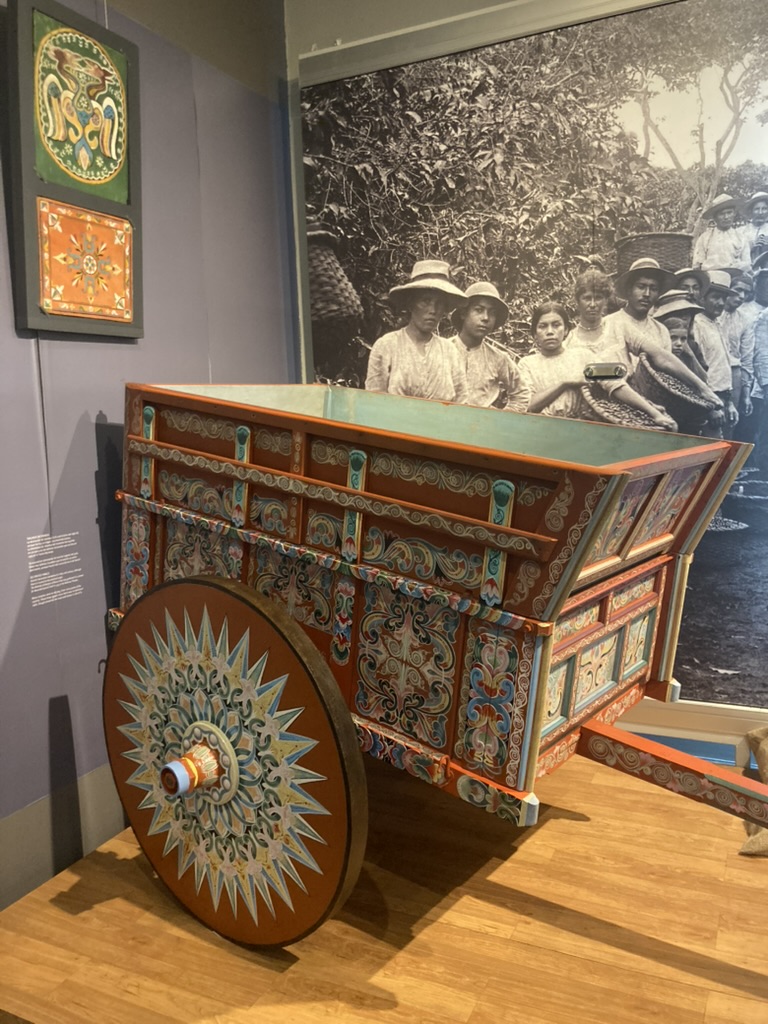
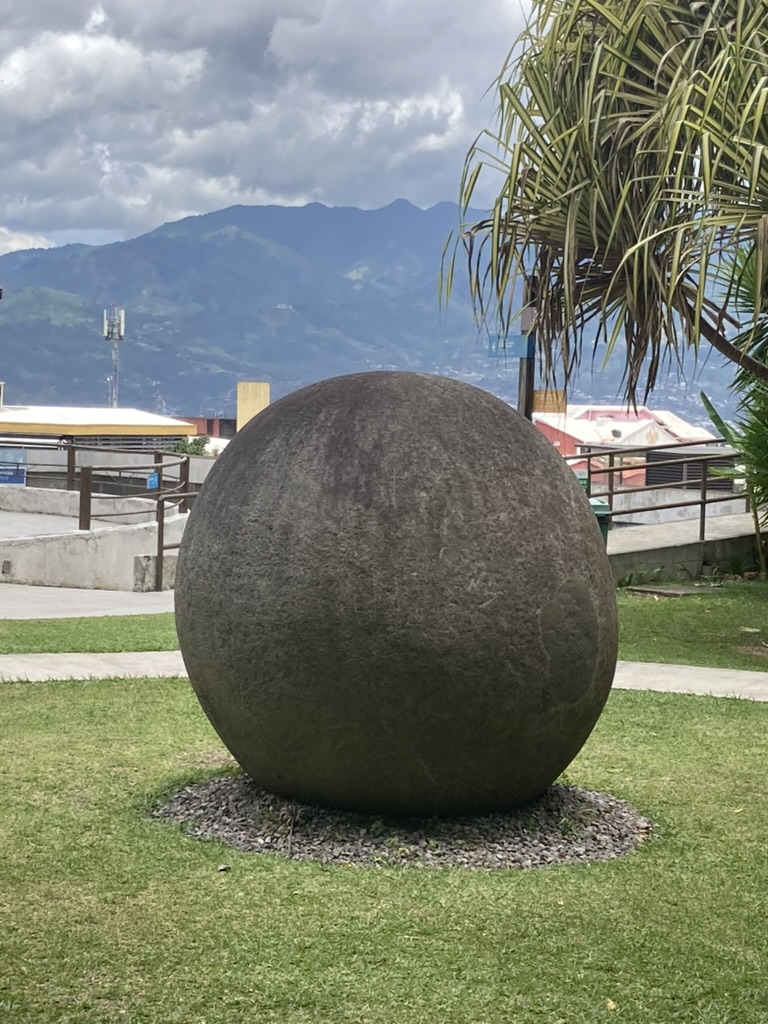
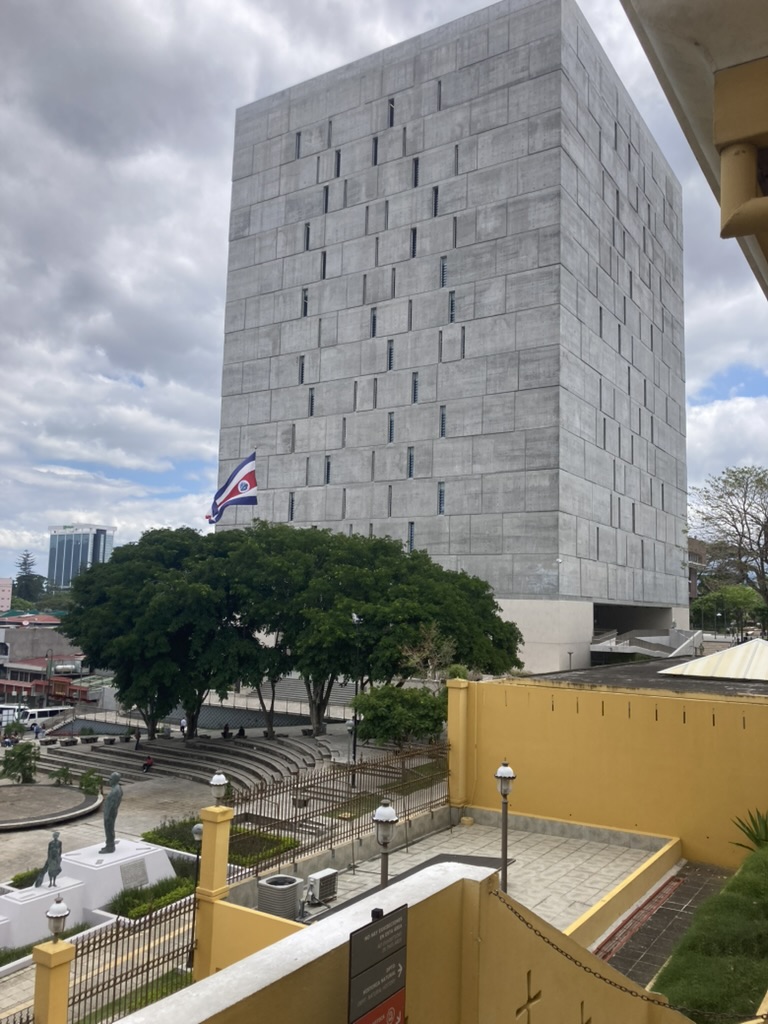
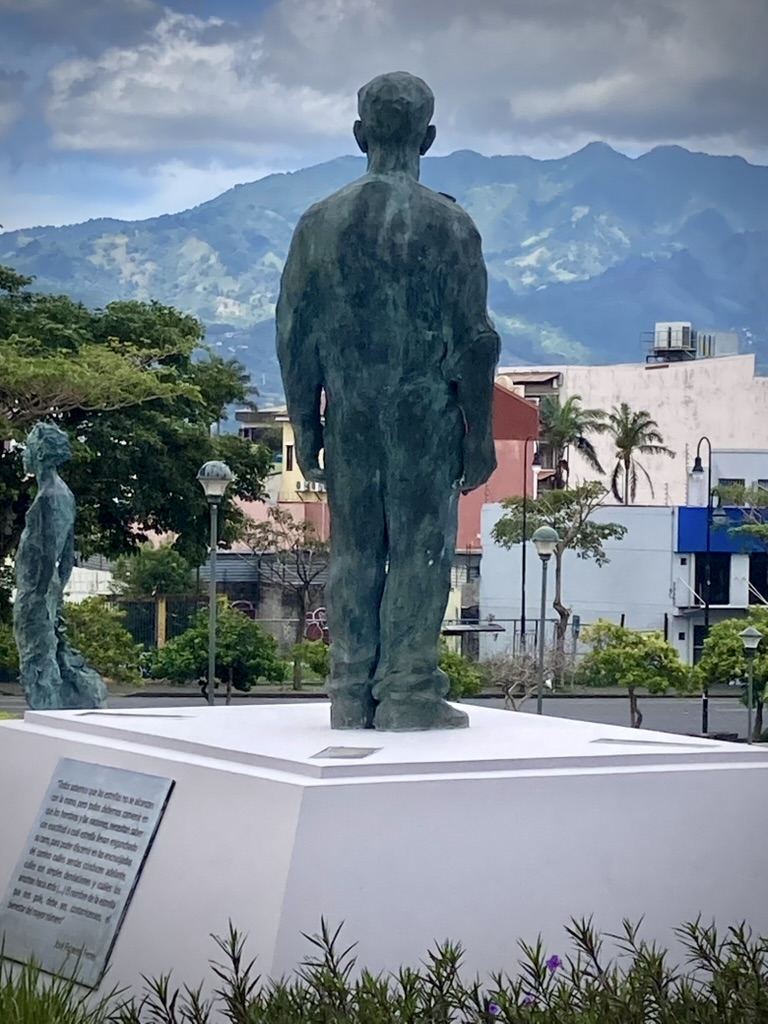
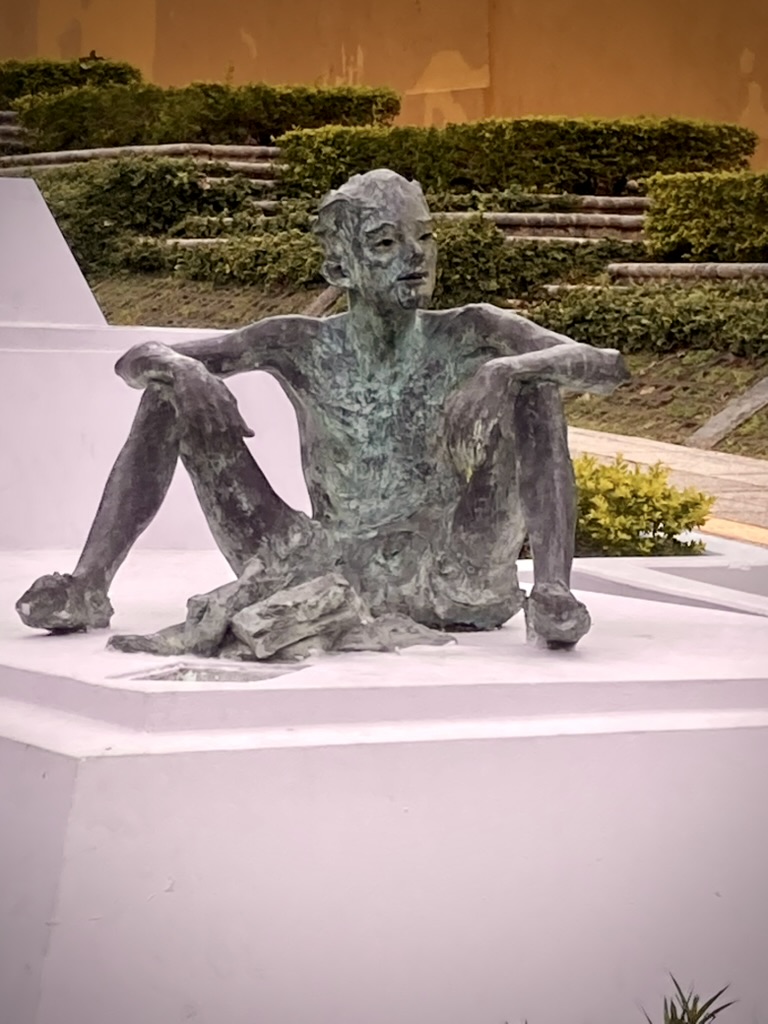
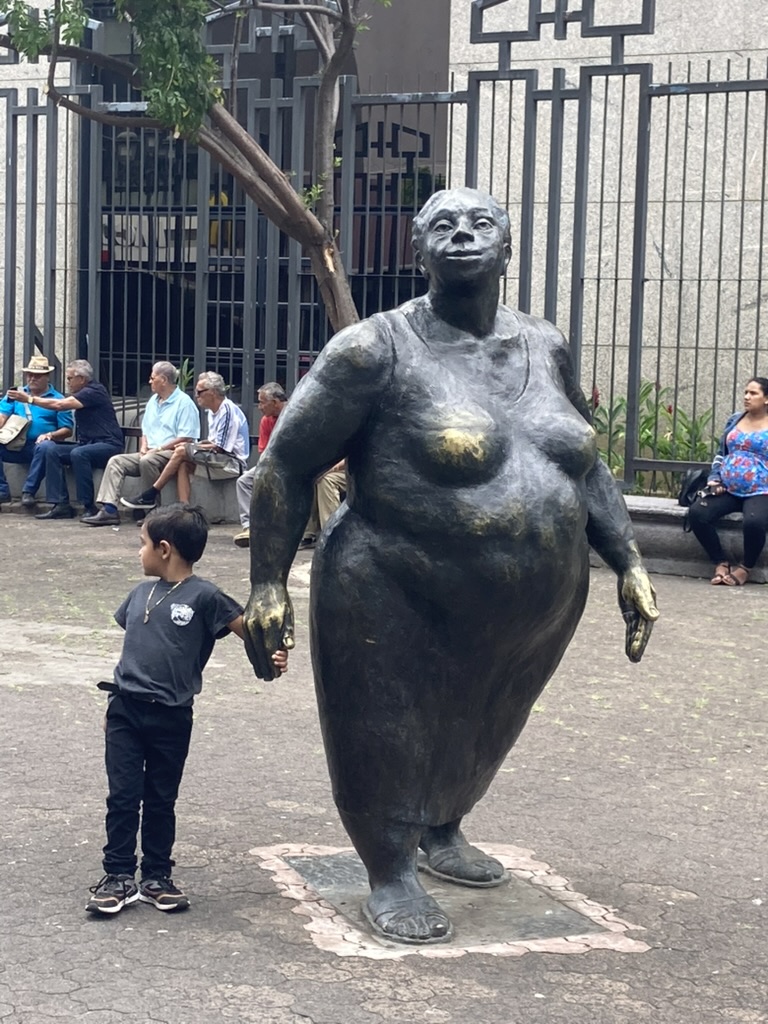
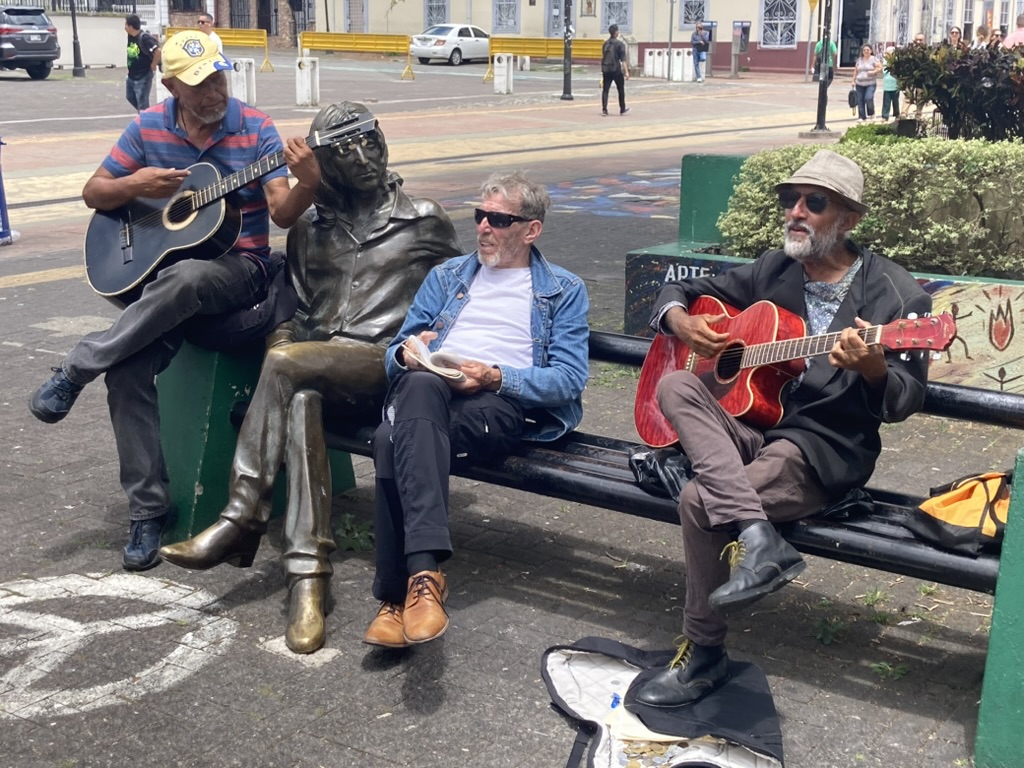
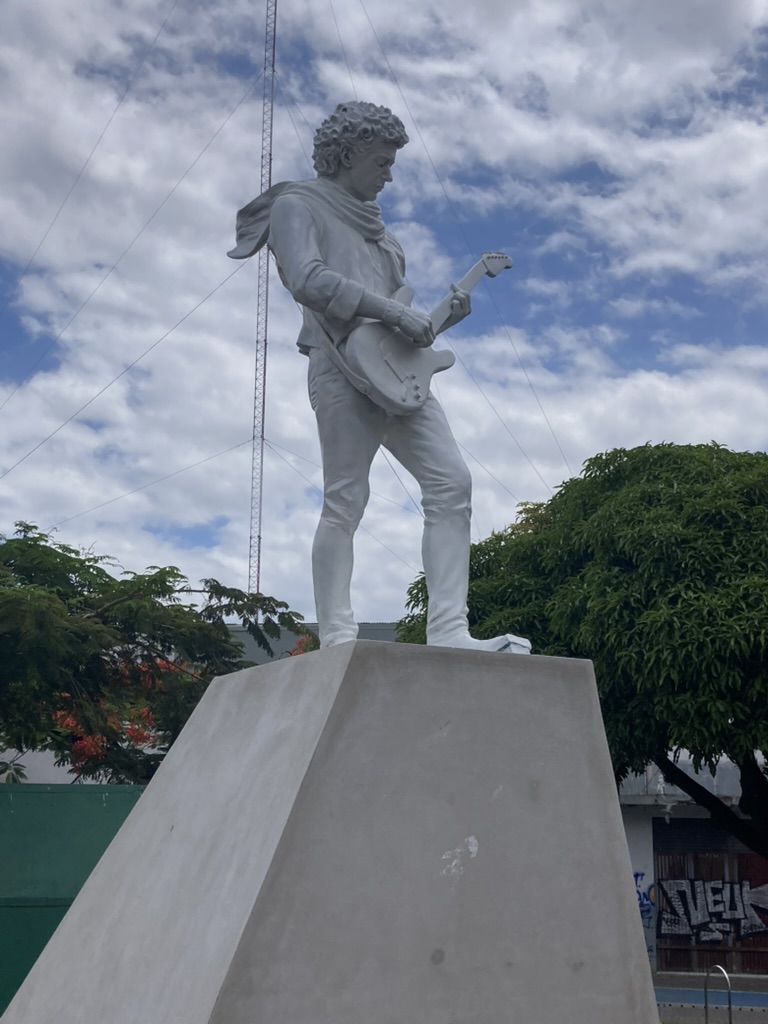
Here are bullet marks left on a wall of Costa Rica’s national museum. They date from 1948, during the last incident of military violence in Costa Rica. After this war, Costa Rica dissolved its military.Here’s a photo of a photo from Costa Rica’s national museum. It shows former president José Figueres knocking down battlements on the building that would become the national museum. Costa Rica’s national museum does not celebrate the military but it does have an installation celebrating mid-century modern design in the country. It also has a few excellent examples of traditional coffee carts. And also a few pre-Columbian granite spheres whose purpose is a mystery.Costa Rica has an impressive Neo-Brutalist capital building.San José also has some great public art. More public artStill more excellent public artWhile in San José I took some time to sing a few Beatles tunes with some buskers sitting next to a statue honoring Jim Morrison.In San José I didn’t see any statues or other public art celebrating military violence that was less than 80 years old (there are some pre-World War II military monuments). There is, however, a monument to Rock-n-Roll, which is awesome.
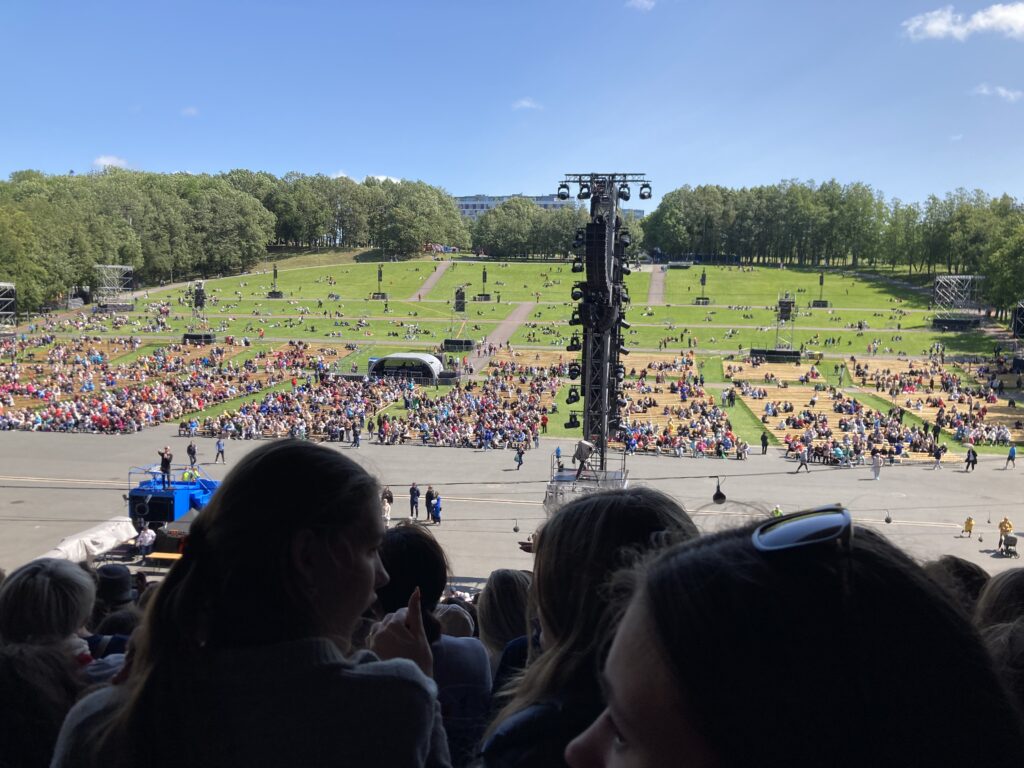
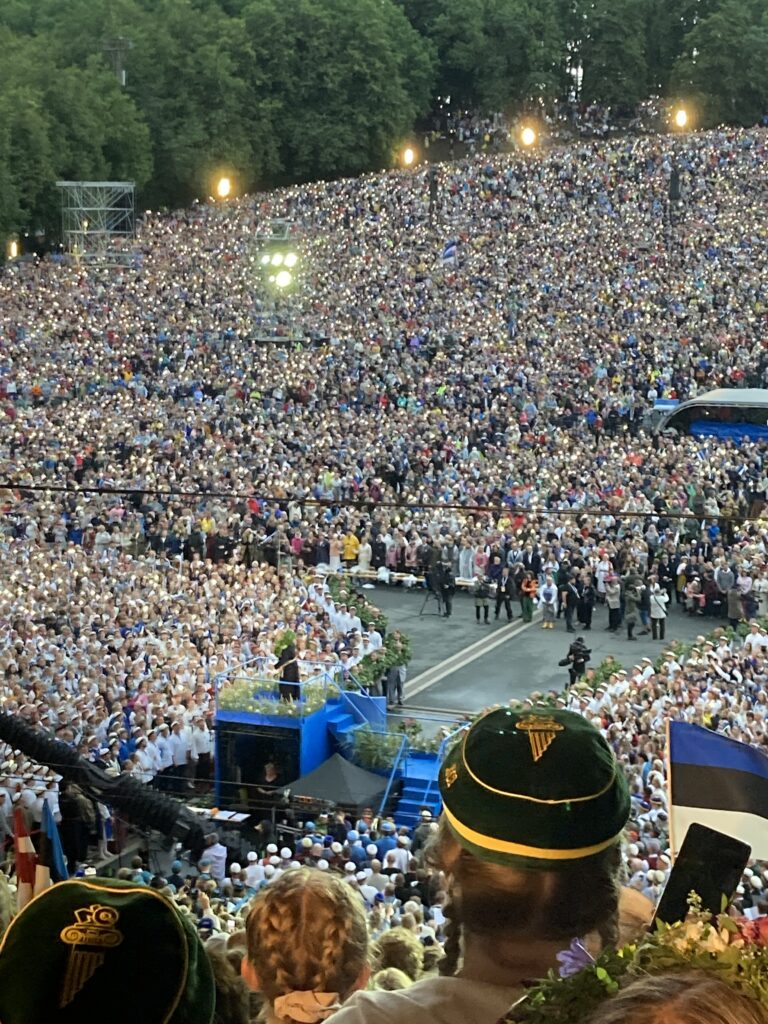
In chapter three I write about my wife’s trip to Estonia, where she participated in a massive choir. She didn’t take many photos, but here are two:
This is a view of the field where 100,000 or more folks came to watch my wife perform in a choir of 30,000 singers. This was my wife’s view of the rest of the choir.
In chapter four of Grace Over Guns I write about traveling to Japan with my brother, Morgan, to visit Nagasaki and Hiroshima.
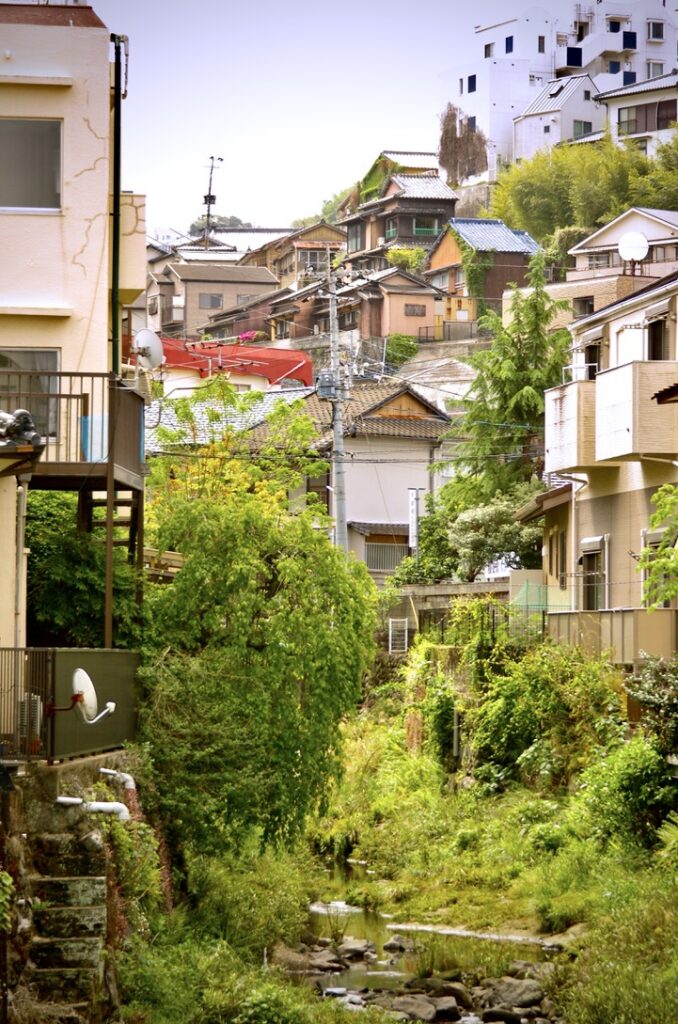
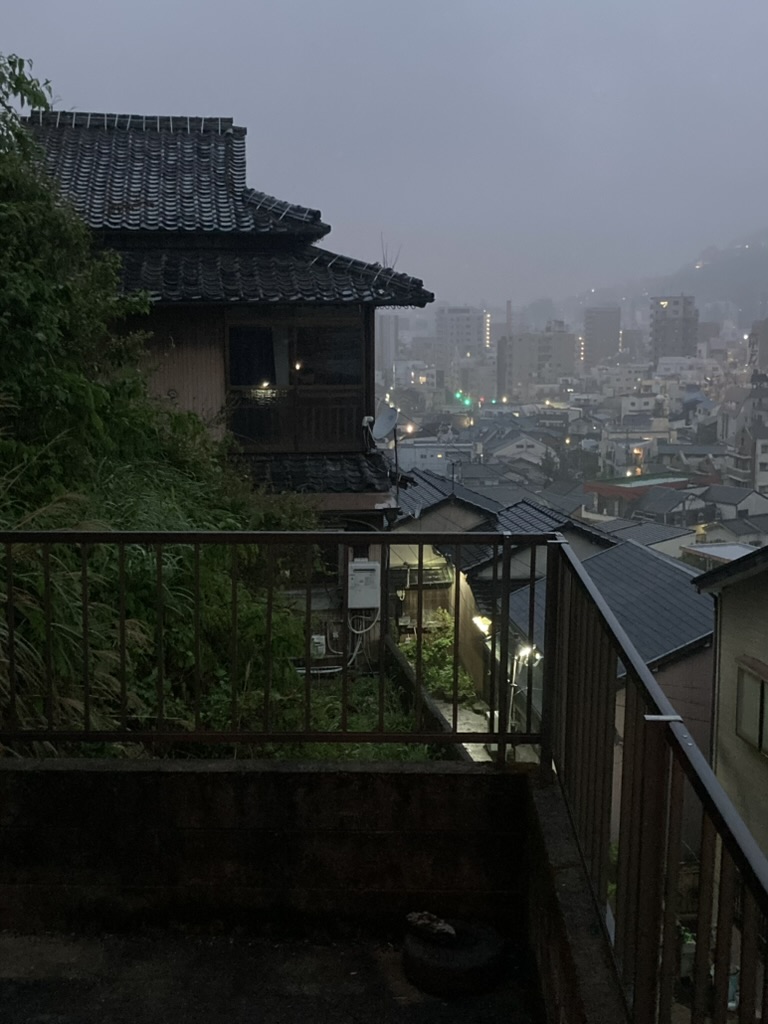
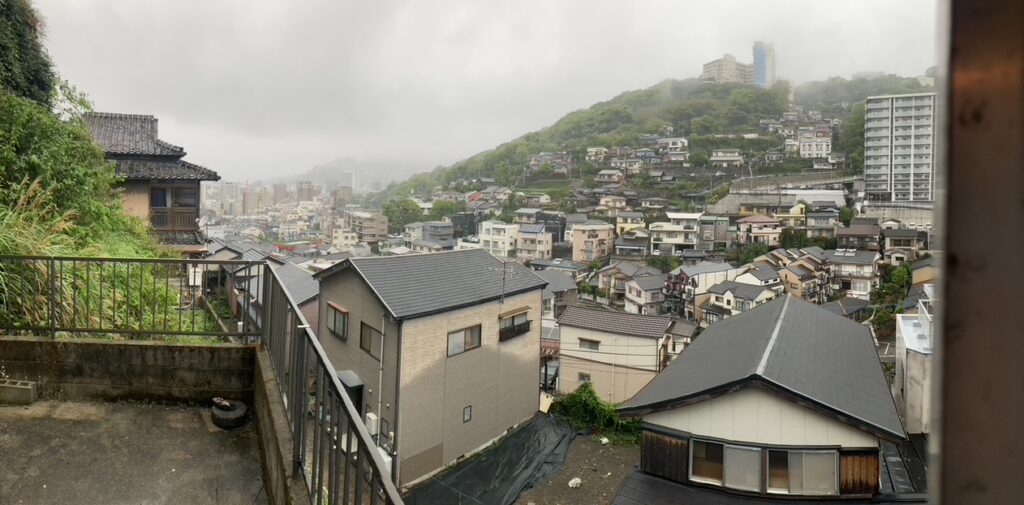
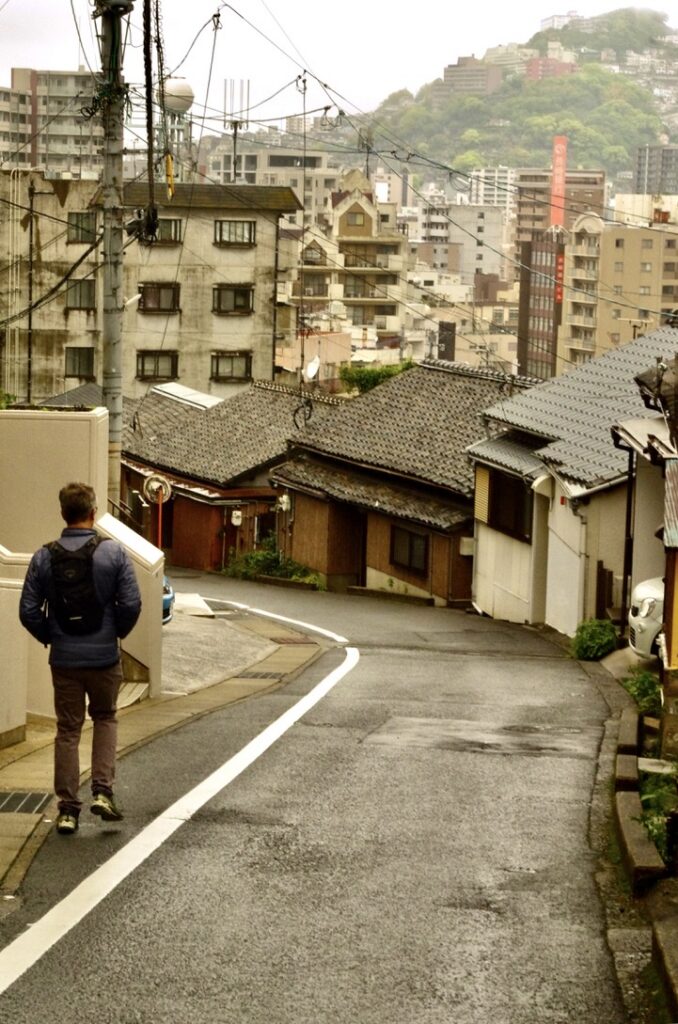
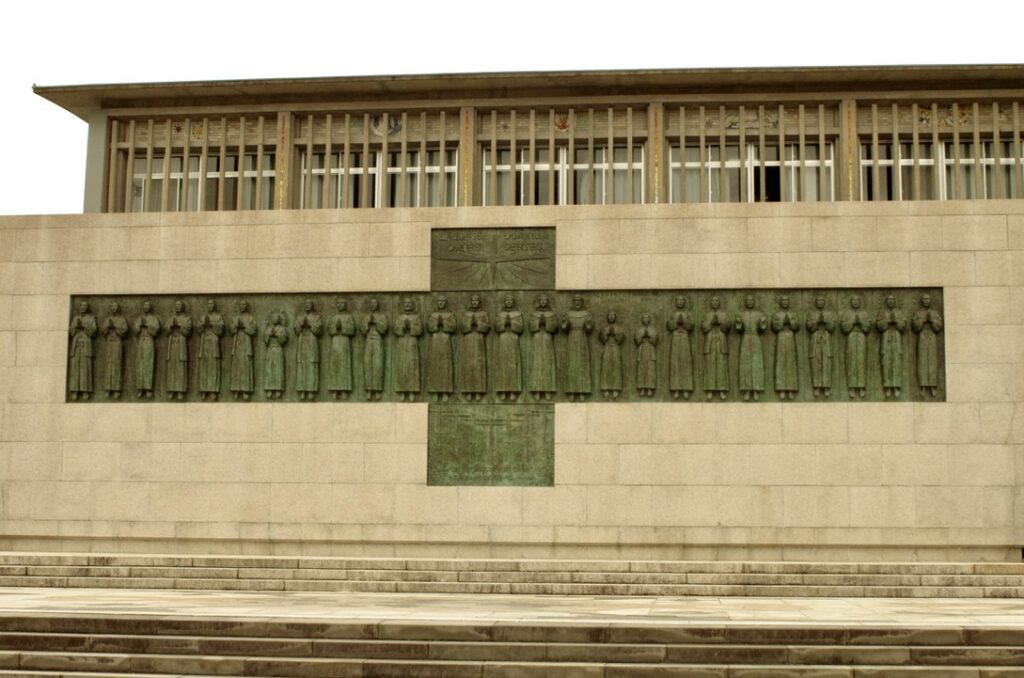
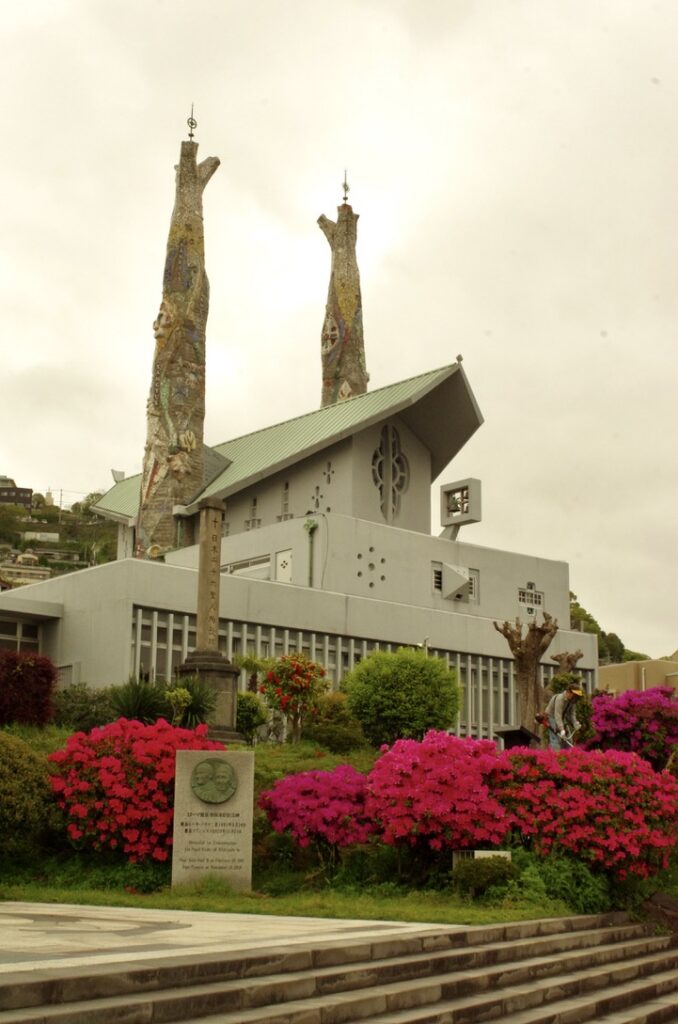
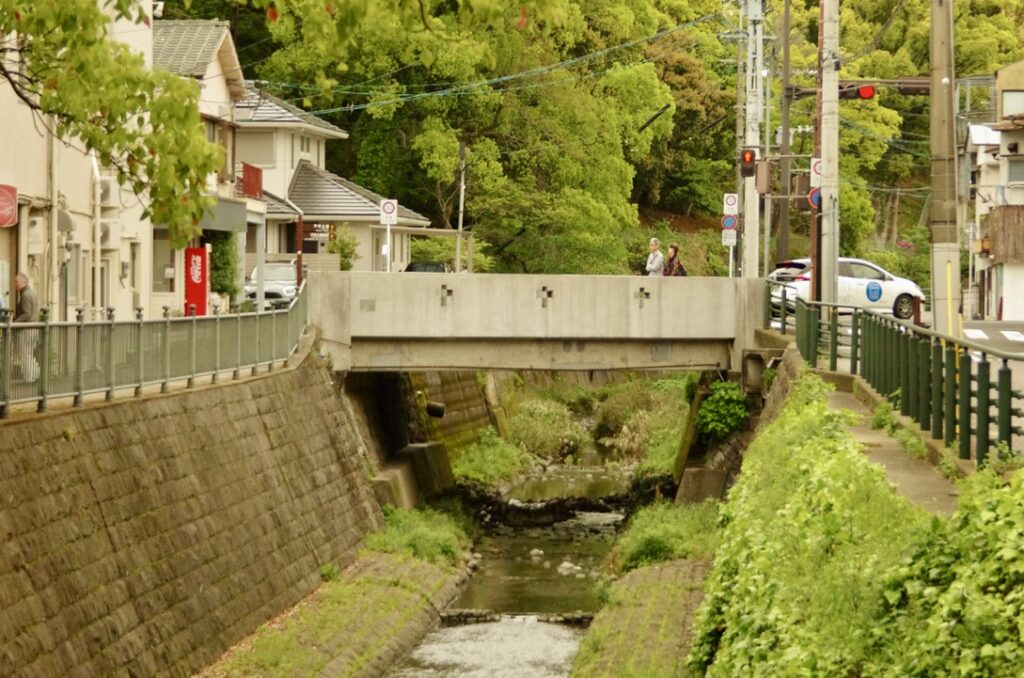
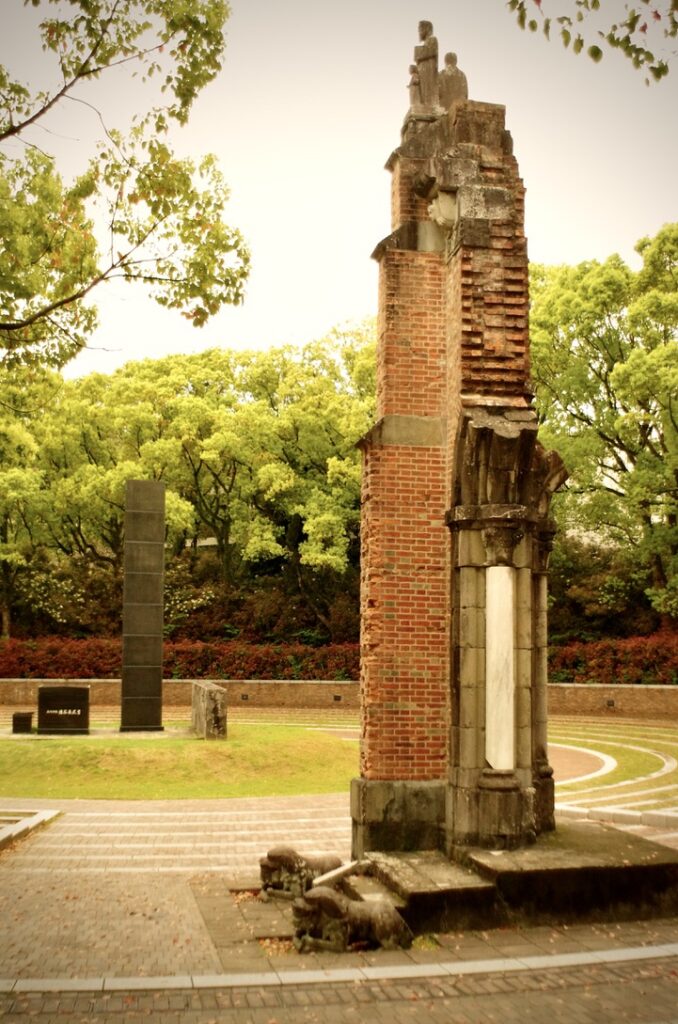
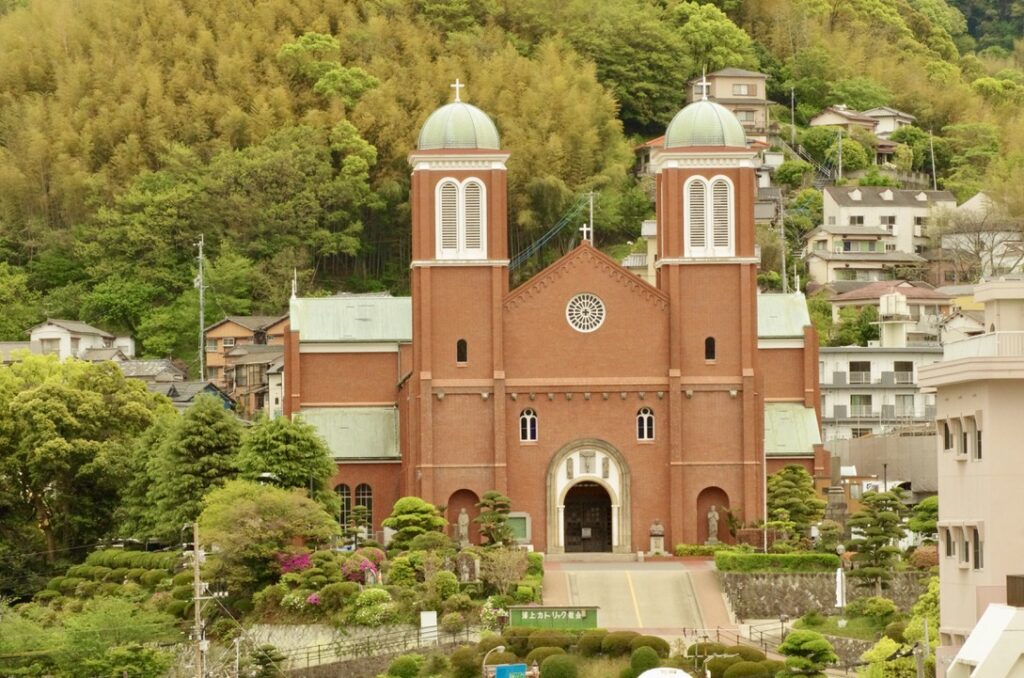
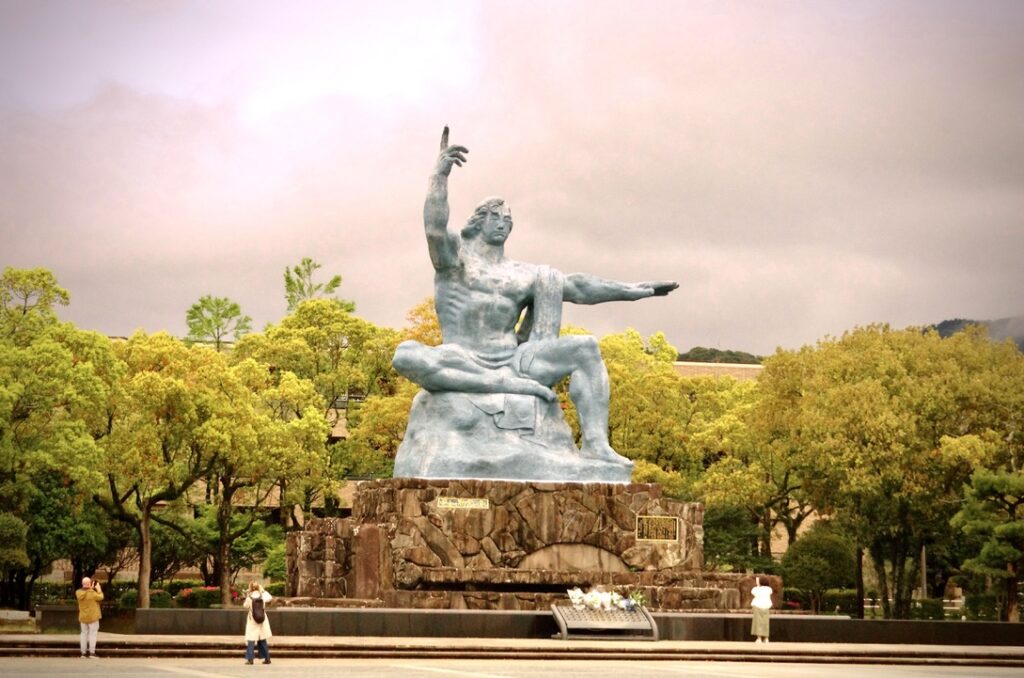
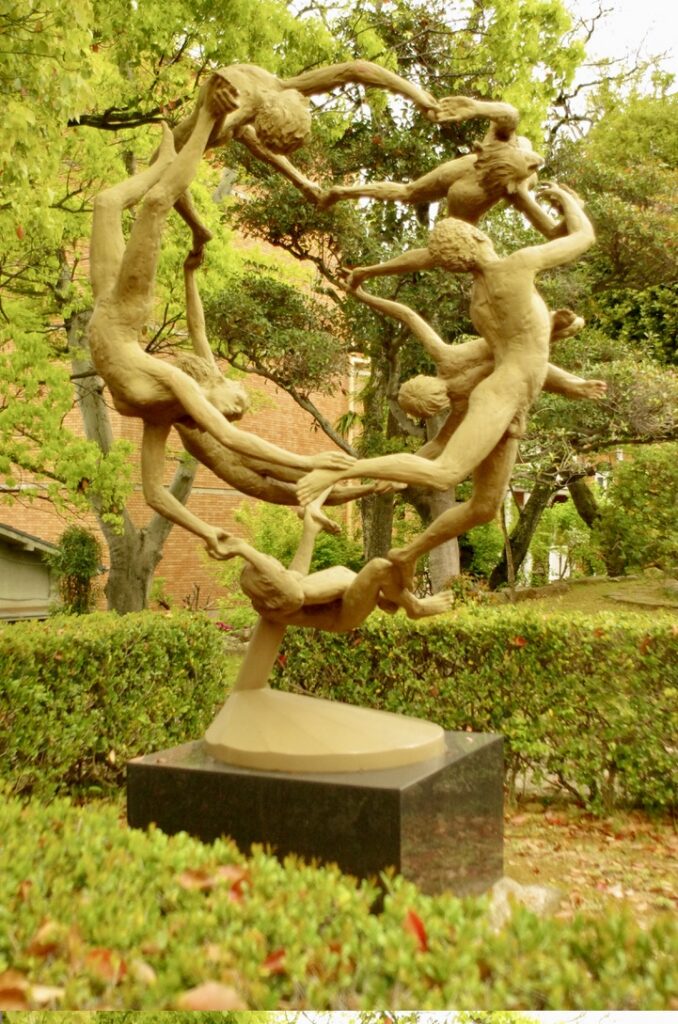
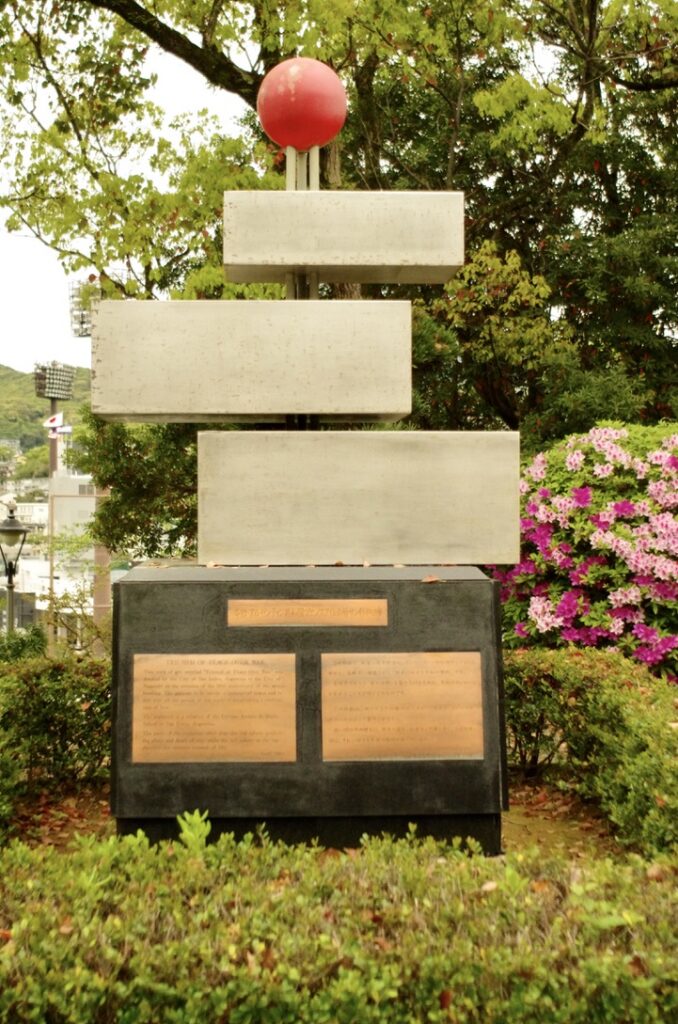
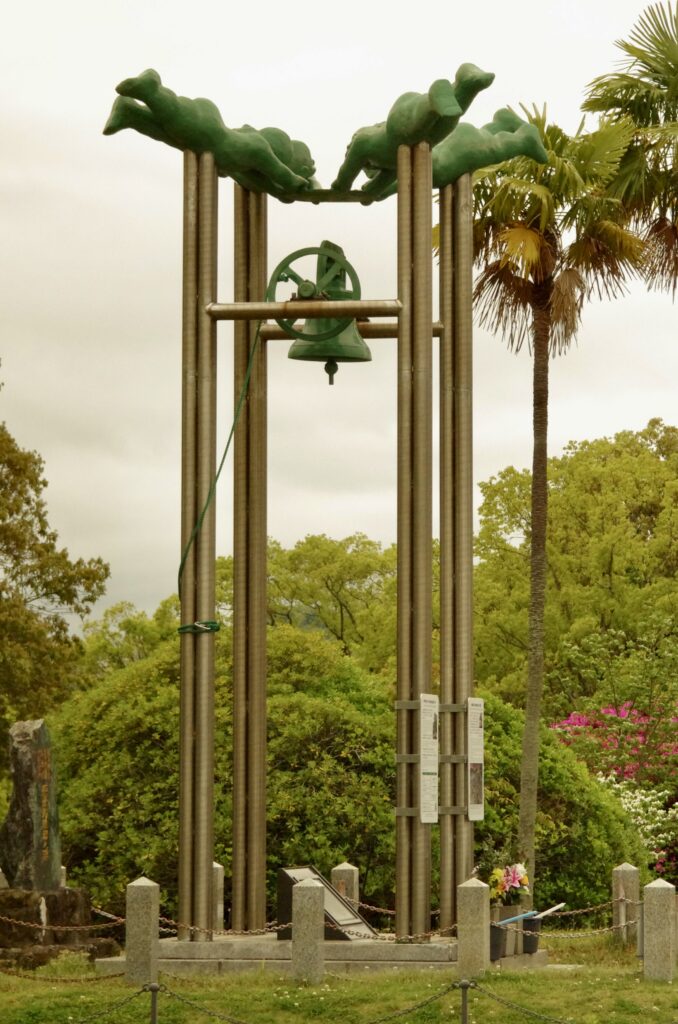
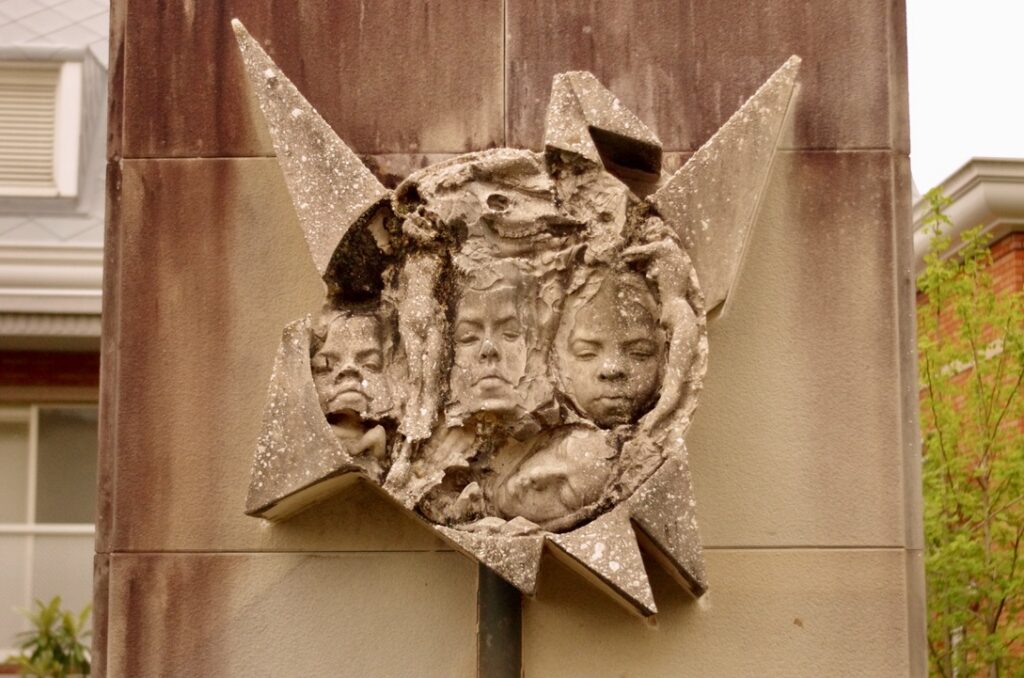
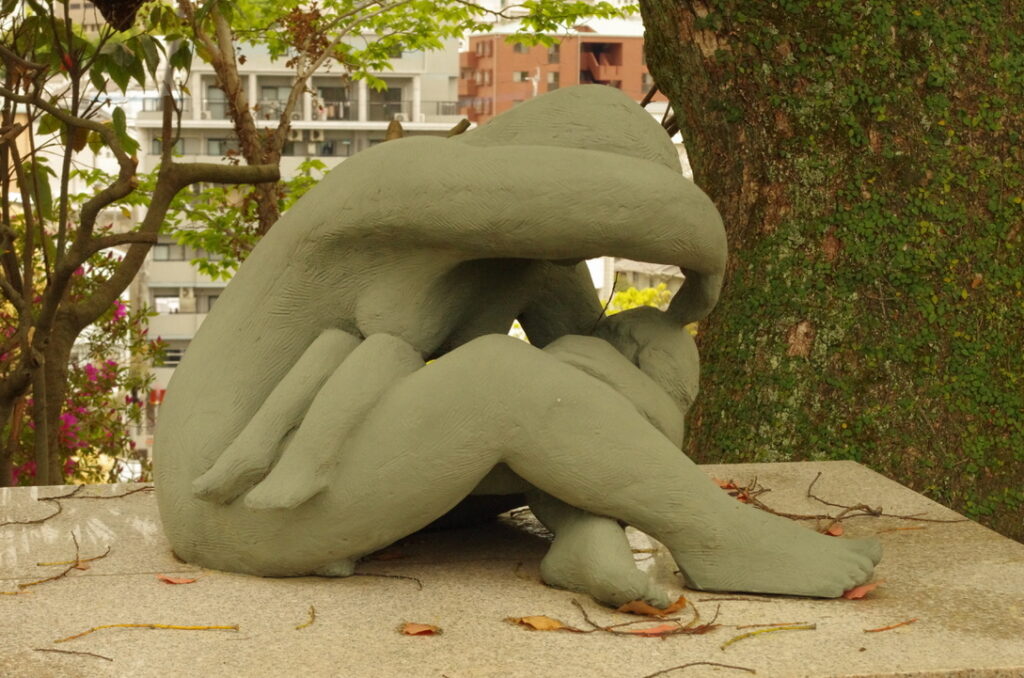
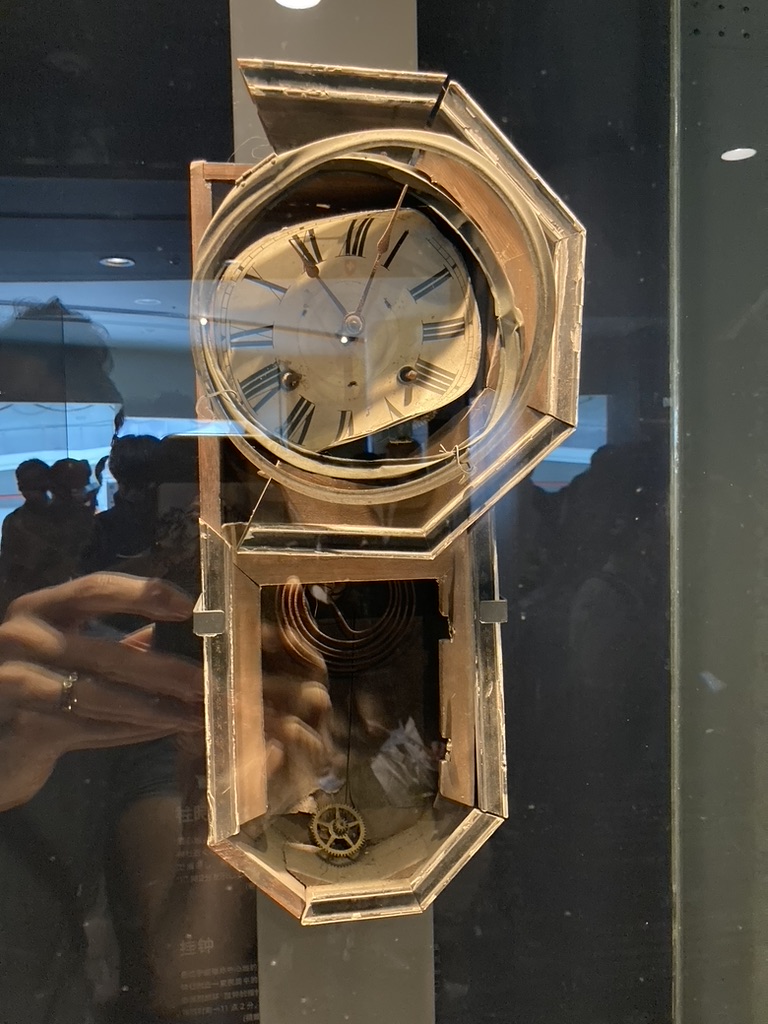
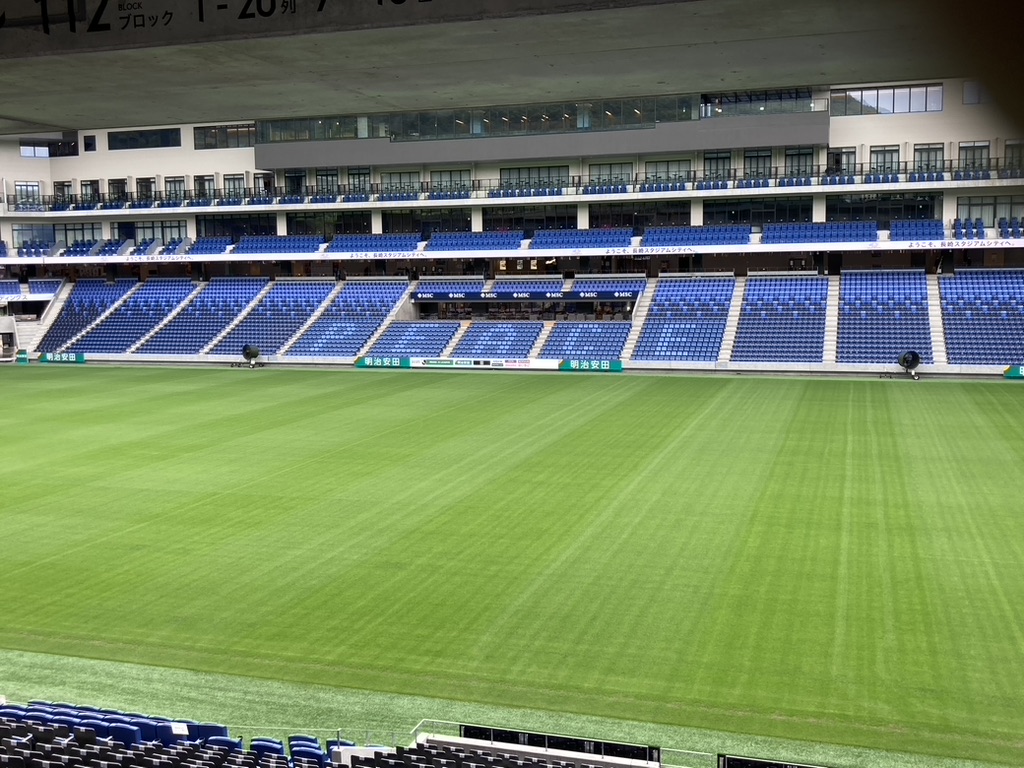
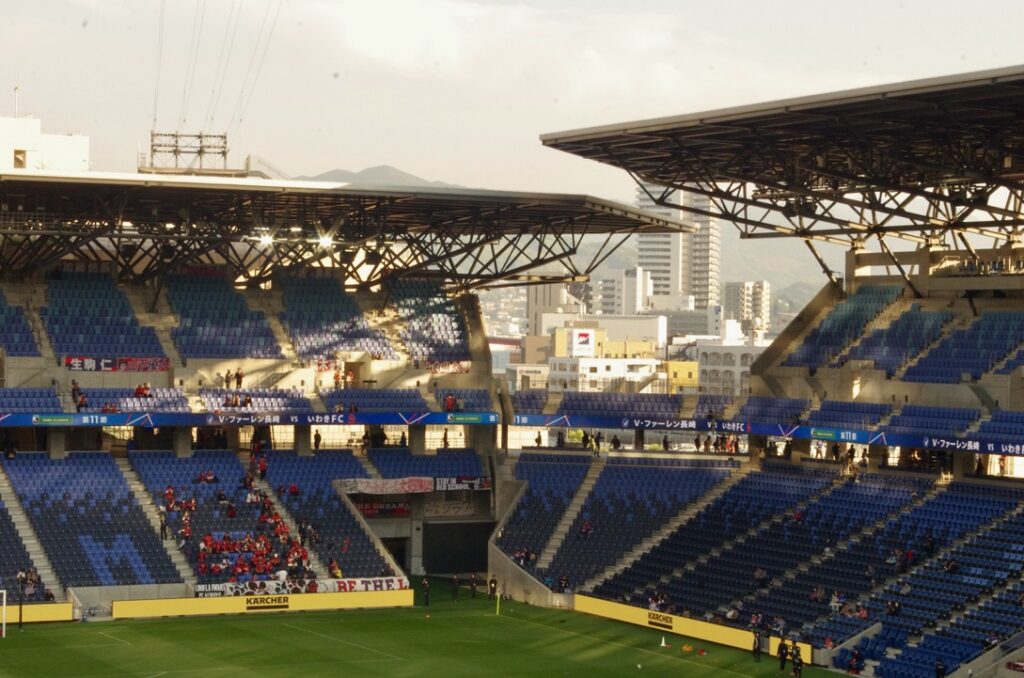
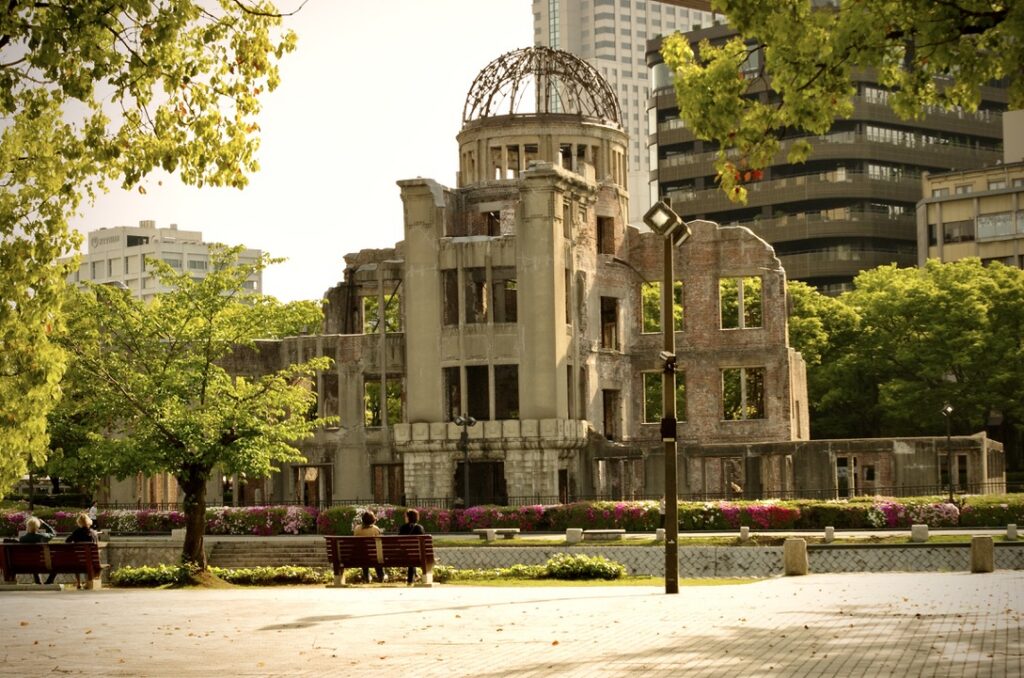
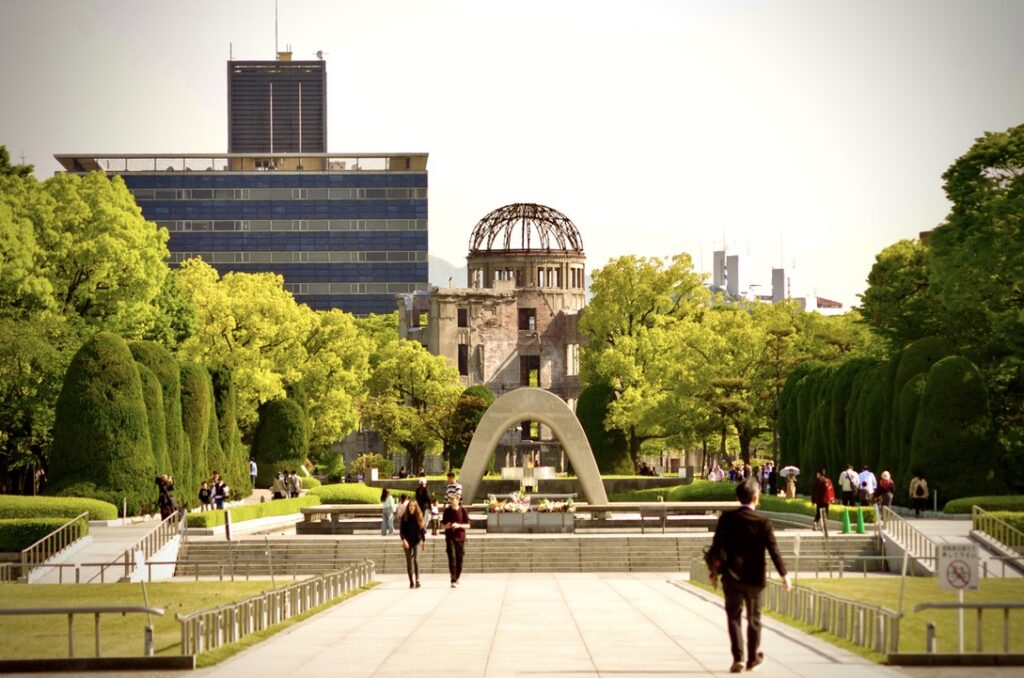
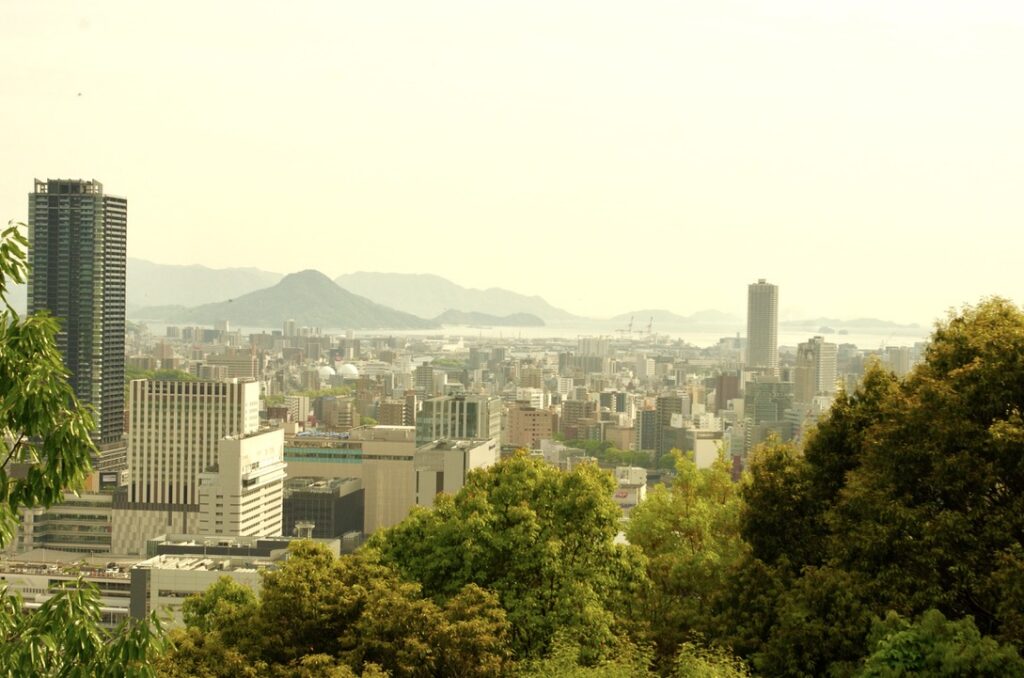
This is the neighborhood where my brother, Morgan, and I stayed in Nagasaki. The neighborhood was not directly affected by the bomb and for that reason it had a fairly traditional vibe. Our place can be found in the middle-top of the photo. It has a rusted tin roof over a porch. Here’s a view from the porch at night. Here’s a view from that porch during the day.Here’s my brother, Morgan, walking through the neighborhood. This is a memorial of the 26 martyrs of Nagasaki, Roman Catholic missionaries from Japan and around the world who were killed in Nagasaki in 1597.This is a Gaudi-inspired church that is part of the memorial to the 26 Martyrs. Urukami, a neighborhood in Nagasaki that was (and still is) home to Japan’s largest Christian population, took a direct hit by the American bomb.This is Ground Zero in Nagasaki, with parts of the ruined Urukami Cathedral in the foreground.This is Urukami’s now-rebuilt cathedral.This is a monument to peace in the park adjacent to the bomb blast memorial. One hand points to the sky from whence came the bomb, the other points to the Urukami cathedral. Nagasaki’s peace park is filled with monuments to peace donated by countries around the world. These monuments serve as a commitment to a future without nuclear weapons. Notable for its absence among these commitments to peace: the United States. Peace monument, NagasakiPeace monument, NagasakiPeace monument, NagasakiThis one breaks my heart. A photo of a clock stopped by the Plutonium bomb at 11:02AM, August 9, 1945.In Nagasaki, the soccer stadium, which is built on the Mitsubishi shipyard that made the city a target, is called “Peace,” not in Japanese, but in the language of those who dropped a bomb that destroyed the city.Peace Stadium, NagasakiGenbaku Dome, HiroshimaHiroshima Peace ParkHiroshima, from a mountain north of town. Just about all of the urban area you see here was wiped out by the first American nuclear bomb.
In chapter five of Grace Over Guns I visited the part of California where I grew up.
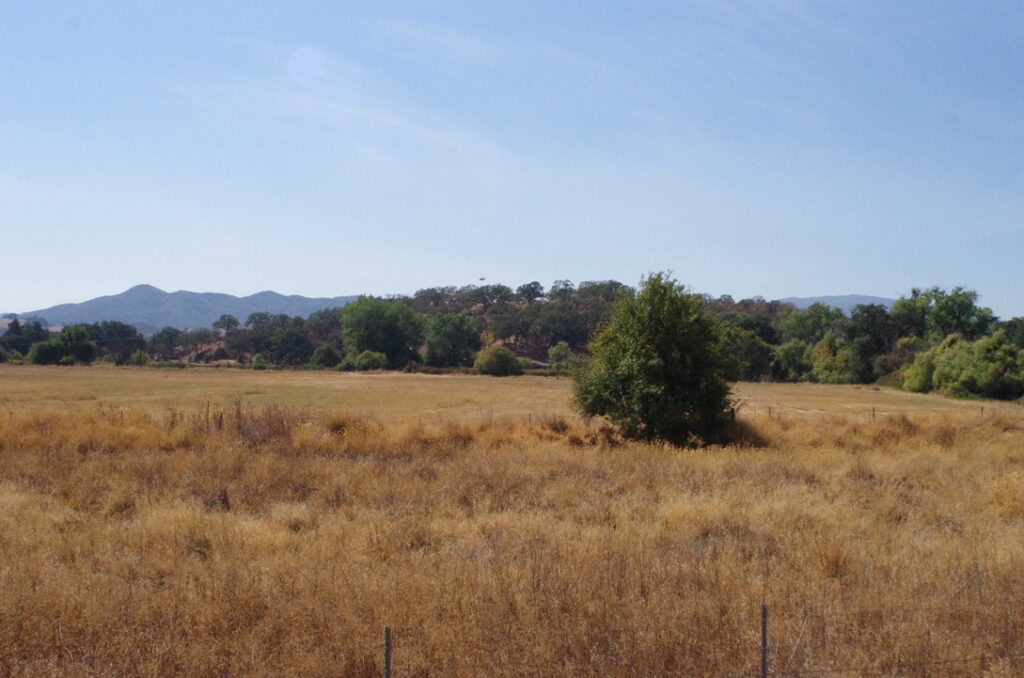
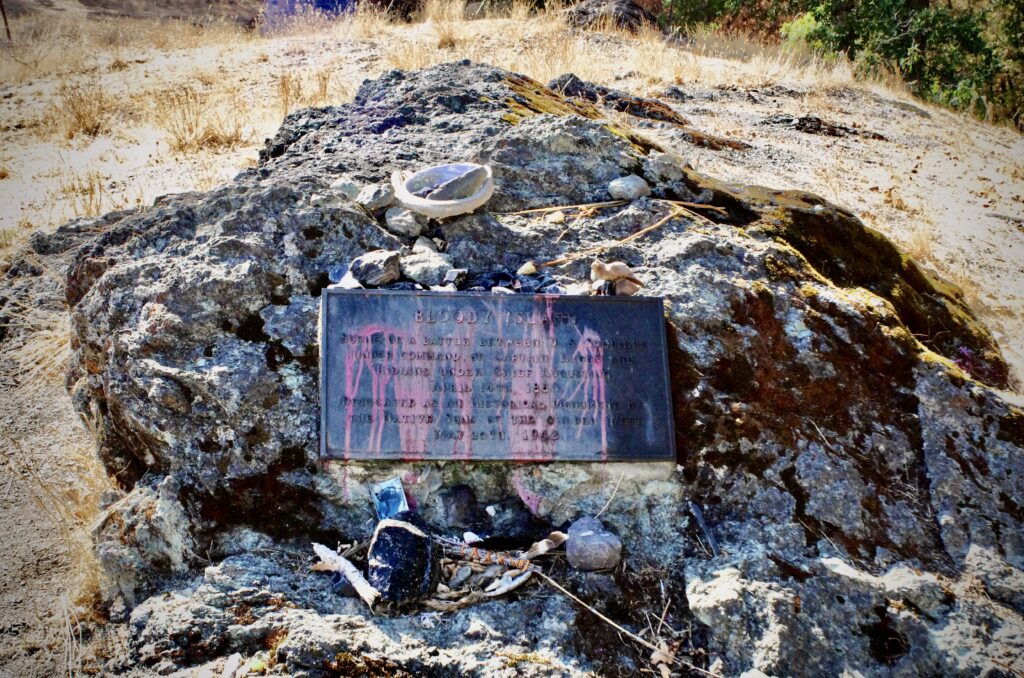
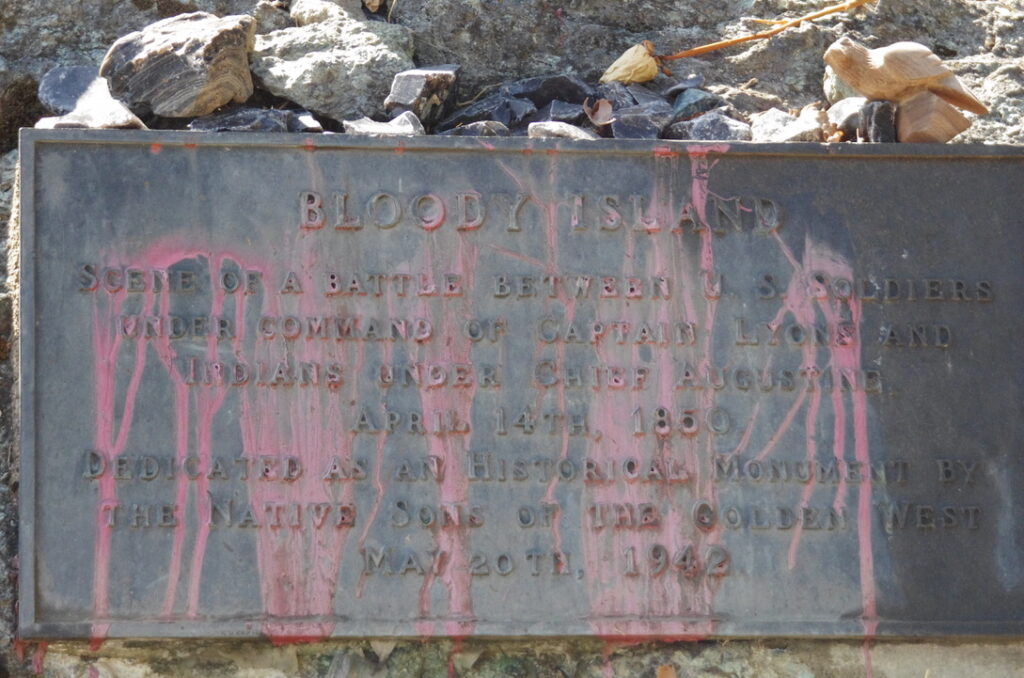
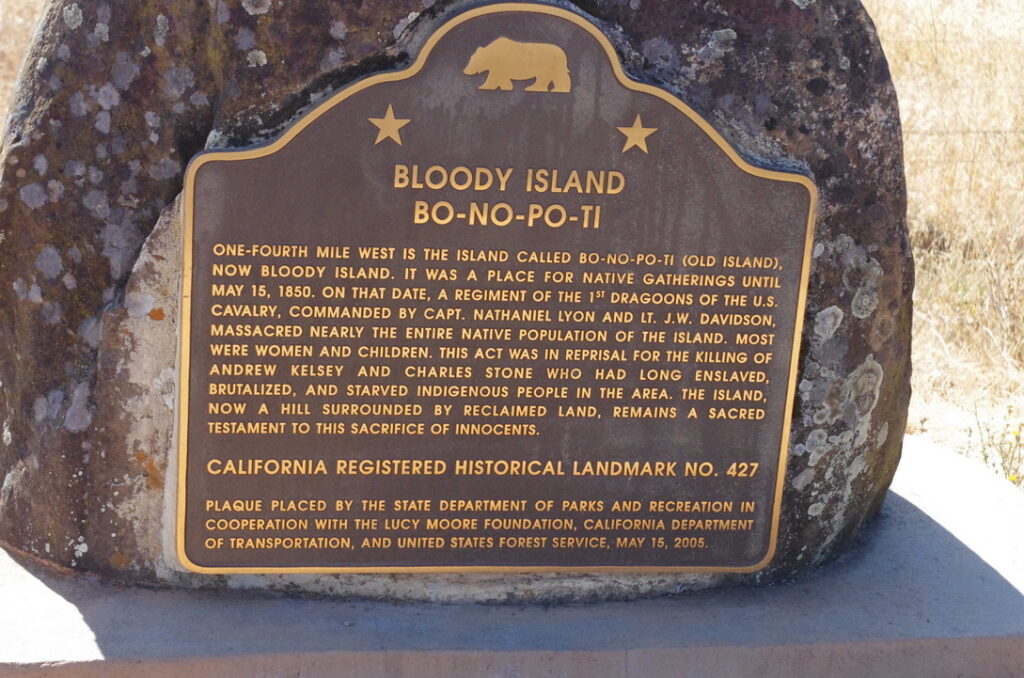
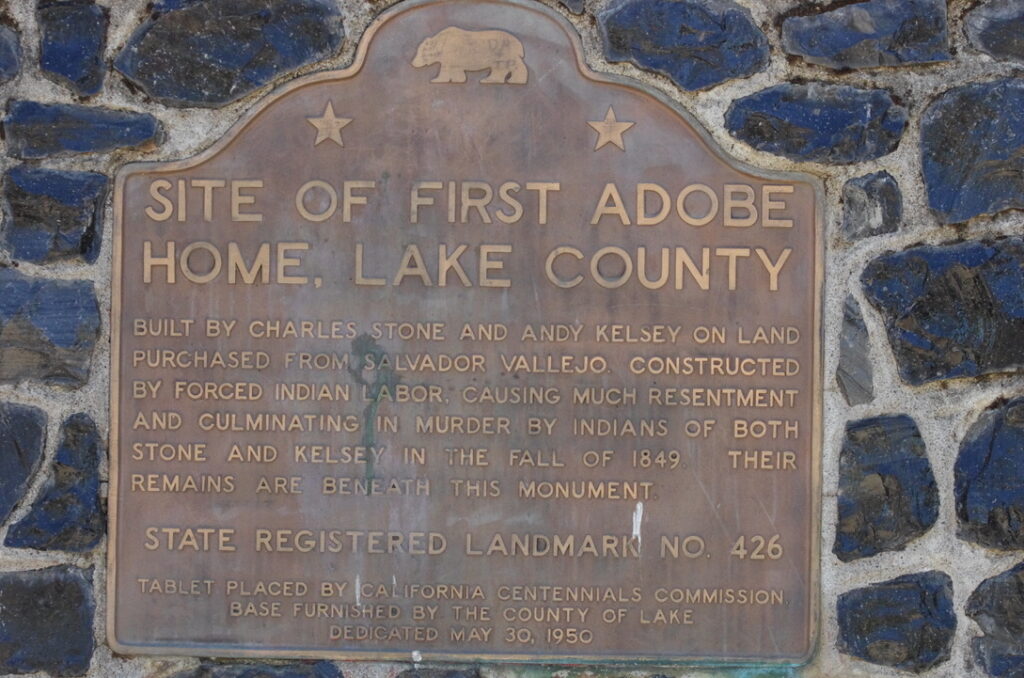
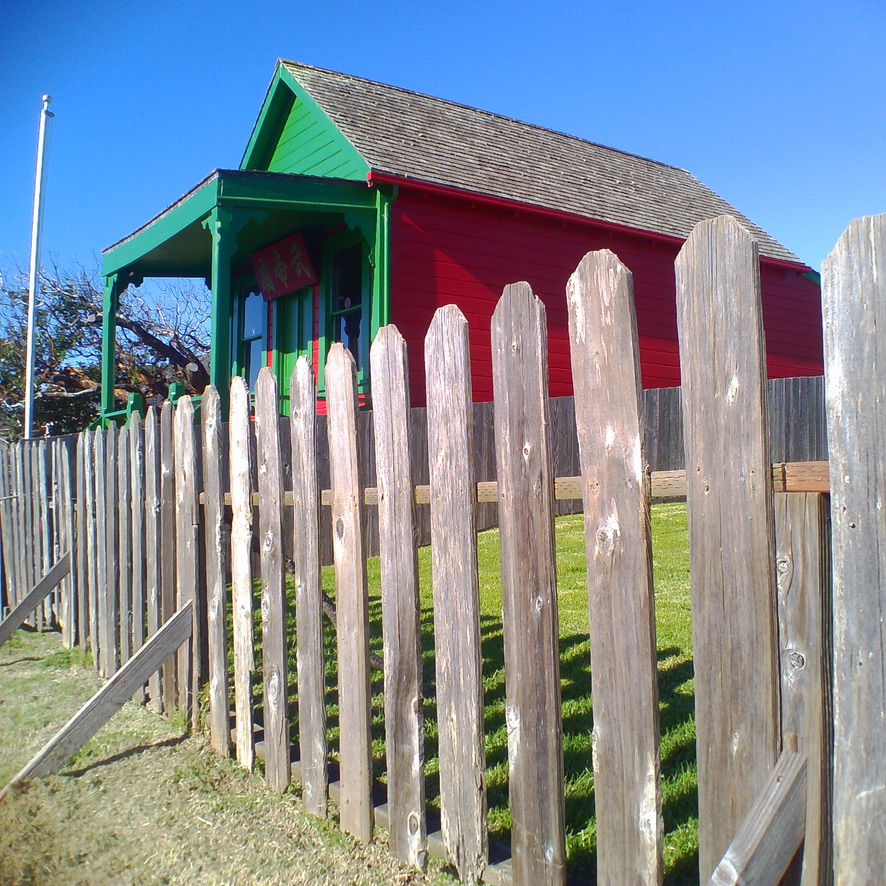
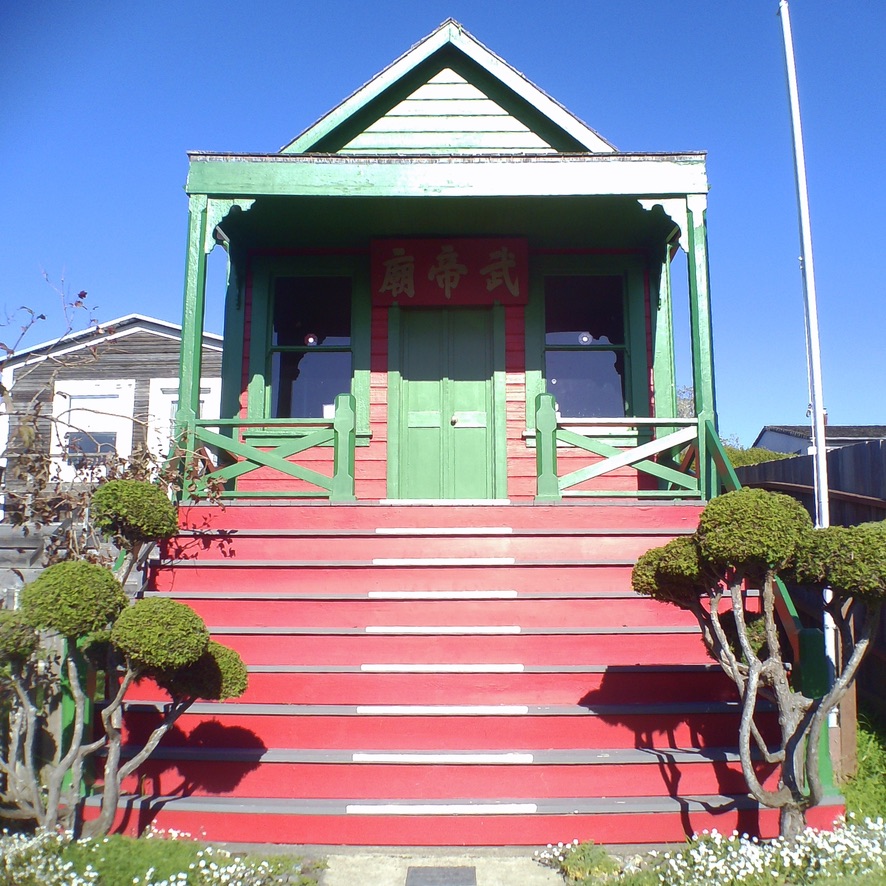
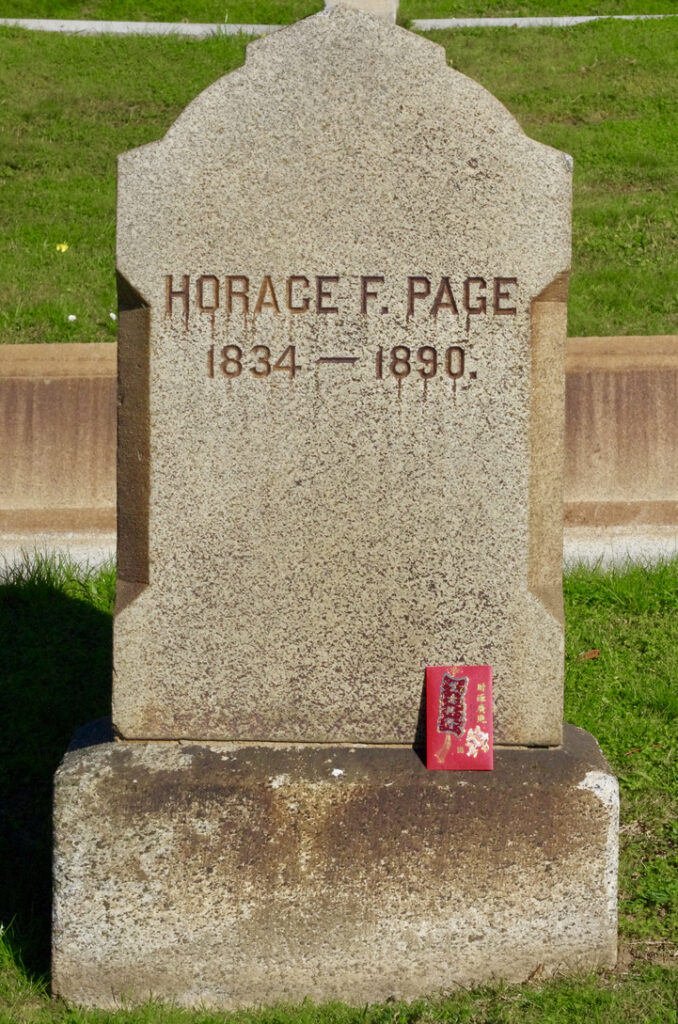
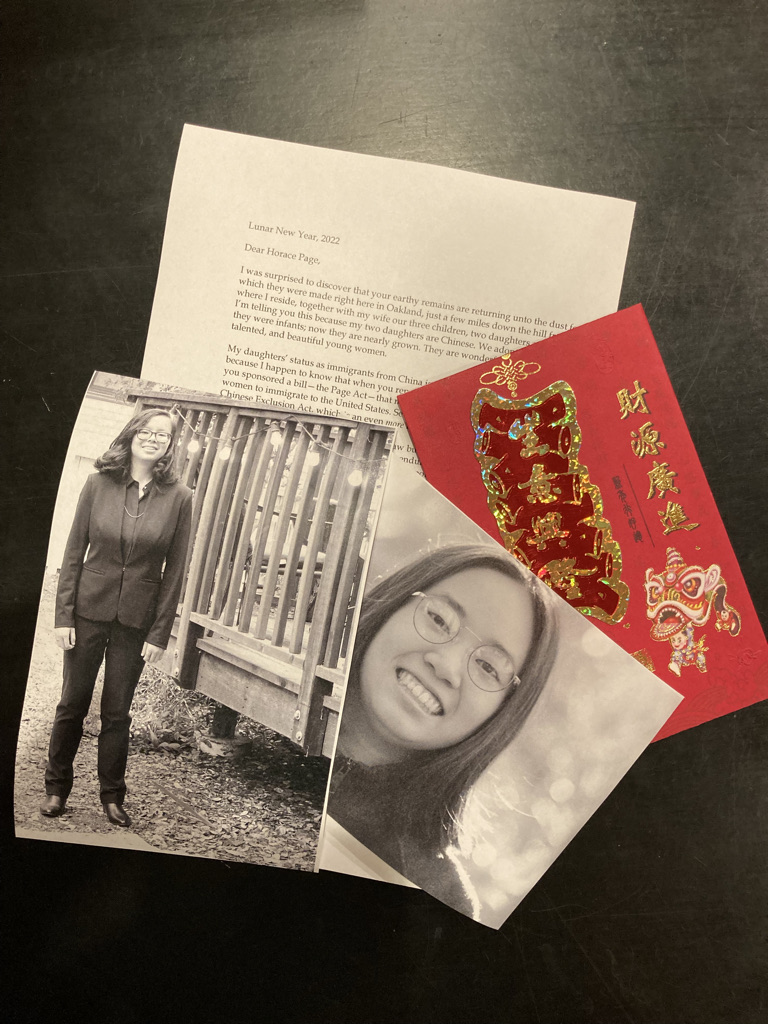
This hill used to be an island that the Pomo people called called Bo-no-po-ti. On May 15, 1850, the US Army, under the command of Nathaniel Lyon, killed hundreds of Pomo people living on the island. It was, perhaps, the bloodiest single-day massacre of Native Americans by the US military ever. As a result, most English speakers call the place “Bloody Island.” It is no longer an island because in the early 20th Century, the United States Bureau of Reclamation drained this part of Clear Lake to make way for agricultural land.On what once was the shore of Bo-No-Po Ti, local Pomo people have created a memorial shrine around a someone less-than-accurate historical marker placed by the Native Sons of the Golden West (which, despite its name, is an organization made up primarily of White men). I found this place to be deeply holy and profoundly moving.Here is a close up of the sign. It calls the massacre a “battle” when it was probably just a cold-blooded slaughter of mostly non-combatant women and children. It misspells Captain Lyon’s name (Lyon should be singular and non-possessive, like “Daniel”). It also give the wrong date for the massacre, which was on May 15. But however inaccurate, this memorial was the only public testimony to the military violence that changed Bo-No-Po-Ti’s name to “Bloody Island.”In 2005, a better, more accurate commemorative plaque was placed where I took my photo of the hill that now is Bo-No-Po-Ti.15 miles south of Bo-No-Po-Ti is a memorial of the Pomo and Wappo uprising that inspired the massacre at Bloody Island. It is unlikely that the residents of Bo-No-Po-Ti had anything to do with the uprising at the Kelsey/Stone ranch in what today is called Kelseyville. One of Kelsey’s younger brothers led a mob that expelled the Chinese-American community from Eureka, California about 30 years after the slaughter of innocents on Bo-No-Po-Ti. Mendocino, California—my home town—once had a considerable community of Chinese Americans, nearly all of whom were expelled from the town in the early 20th century. One distinctly Chinese building remains in town, the Taoist Kwan Tai Temple. Here’s a front view of the Kwan Tai Temple in Mendocino, California. Horace Page was a member of the US House of Representatives. He is responsible for writing a law called “The Page Act” of 1875 which prohibited the immigration of women from Asia. In 1882 he wrote the Chinese Exclusion Act. He is buried in Mountain View Cemetery in Oakland, just a few miles from my house. A couple of years ago I stopped by his grave on the Lunar New Year and left a red envelope on the headstone.The red envelope contained a letter to Mr. Page and photos of my two Chinese American daughters. Because to hell with Horace Page and his laws.
While I didn’t take photos while writing chapter six, in chapter seven I write about visiting (and kind of falling in love with) Andorra, a country that is the least imperial place I know about.
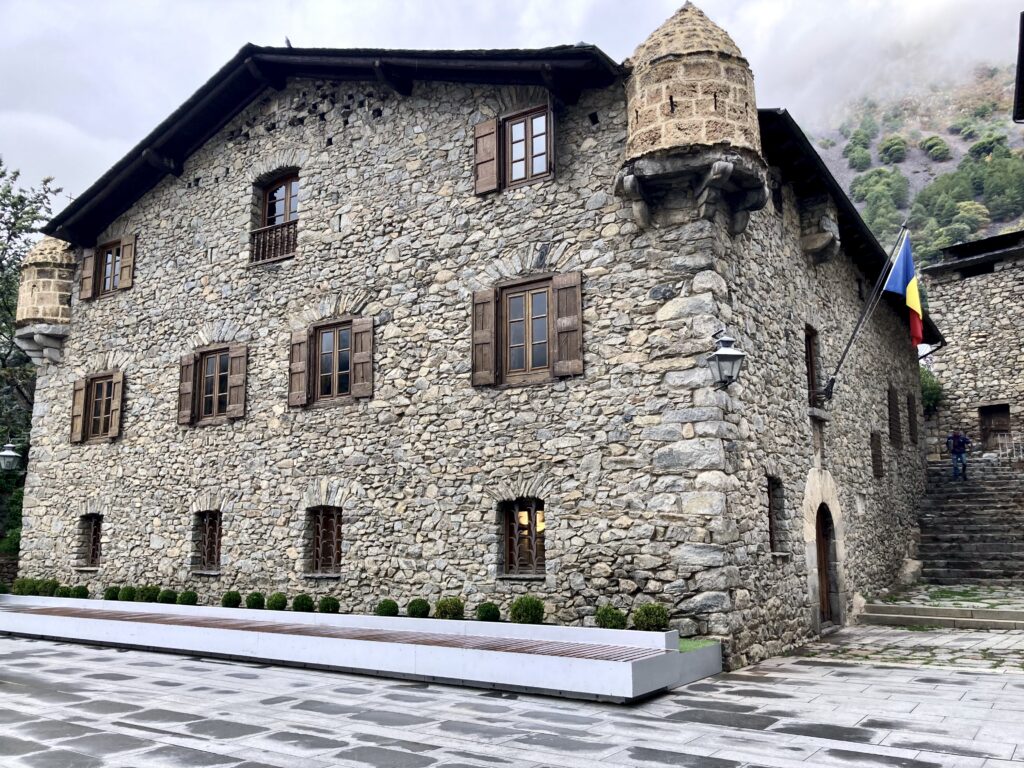
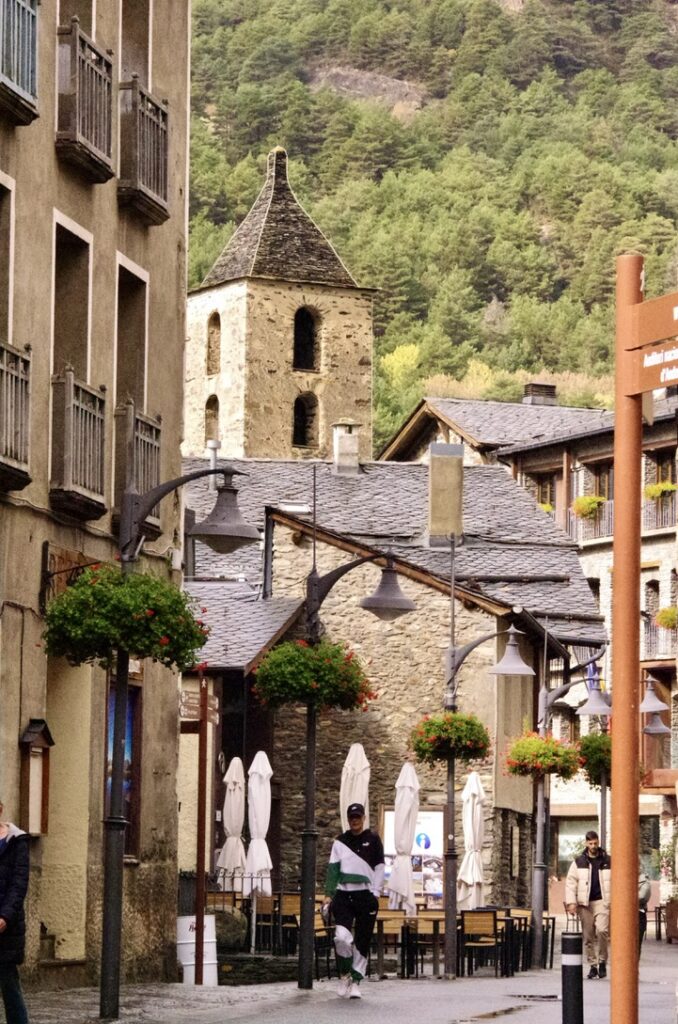
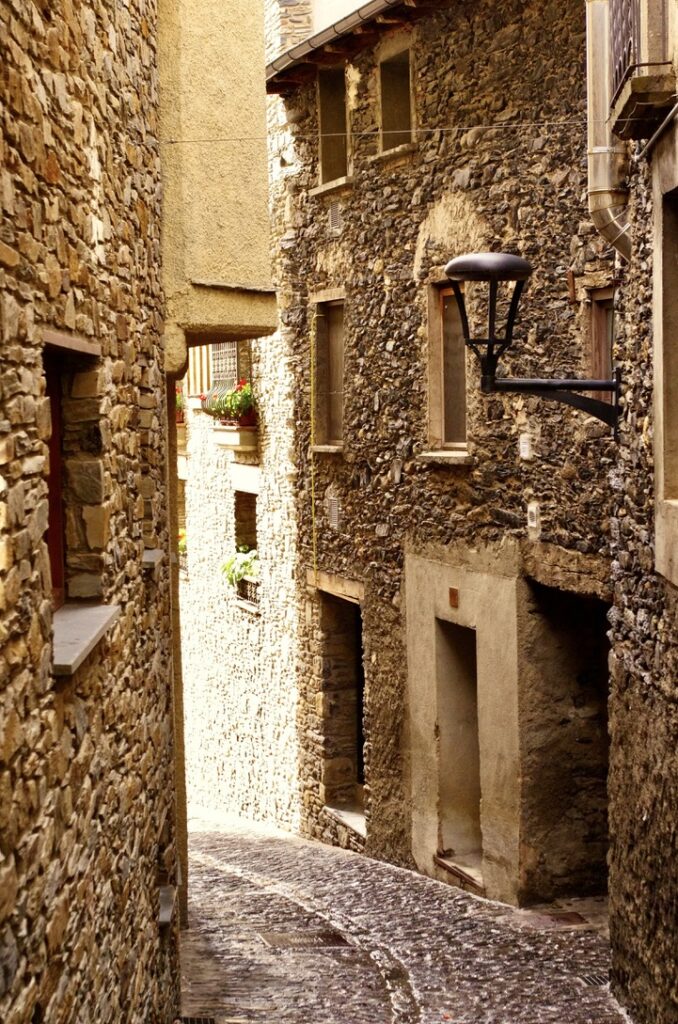
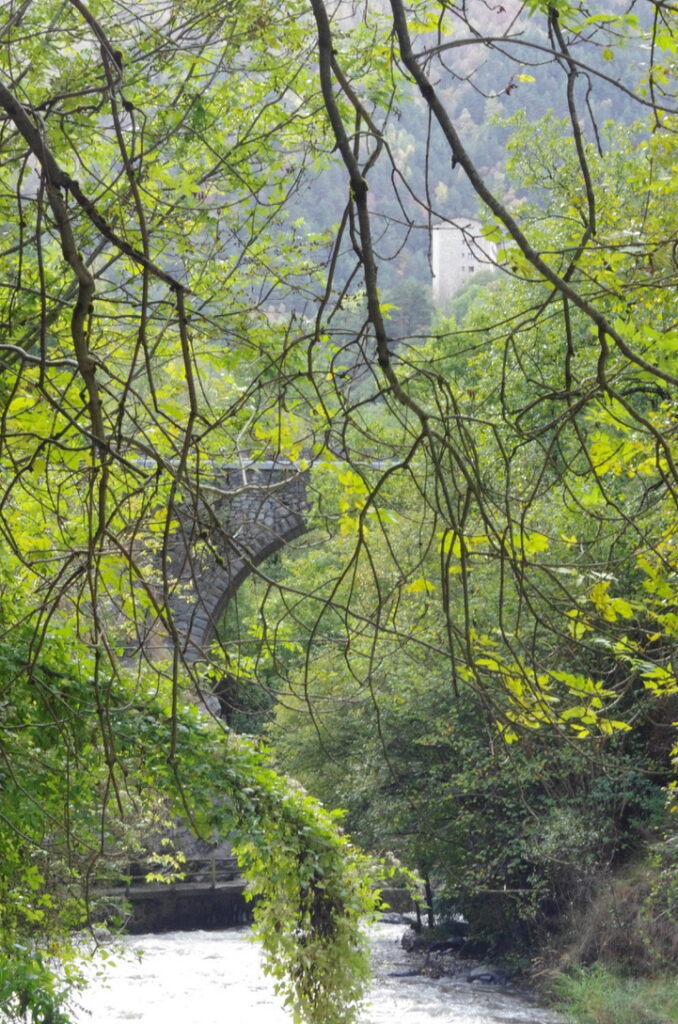
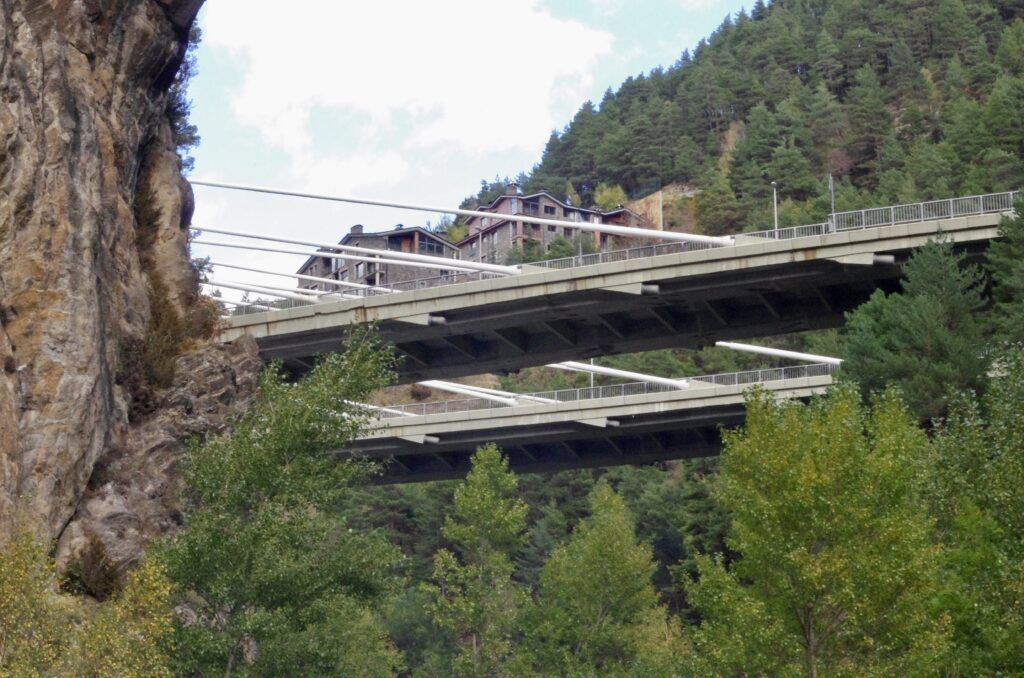
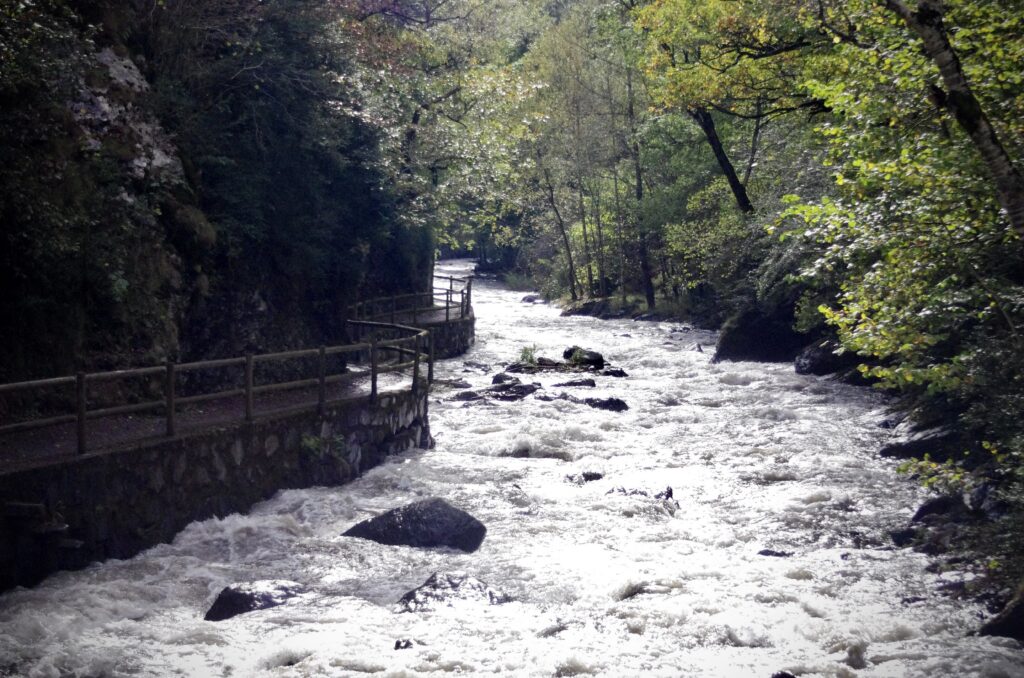
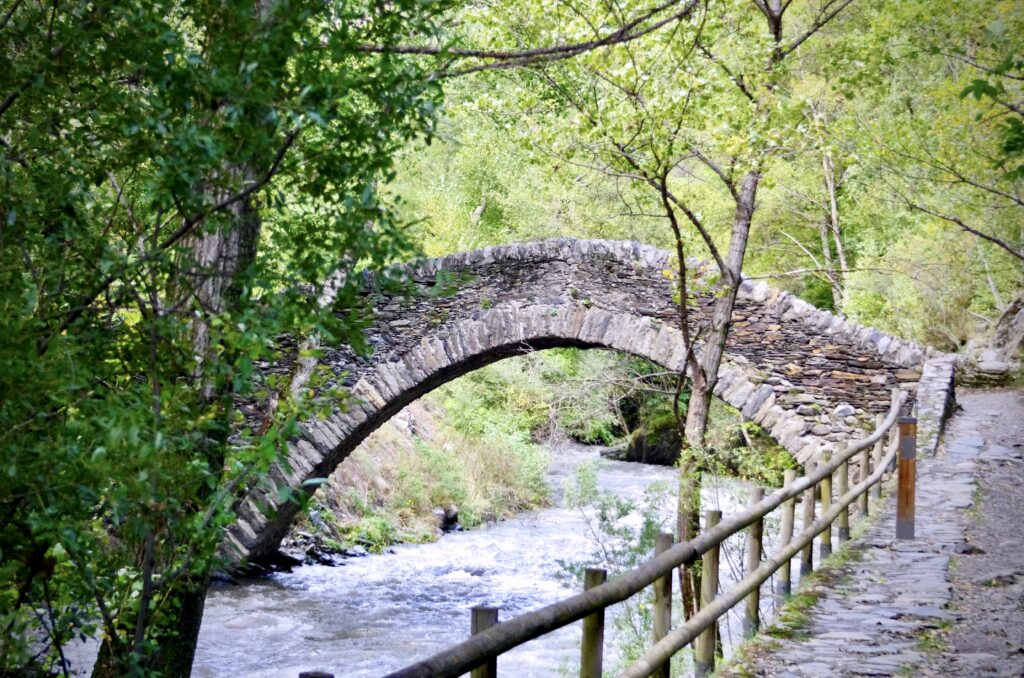
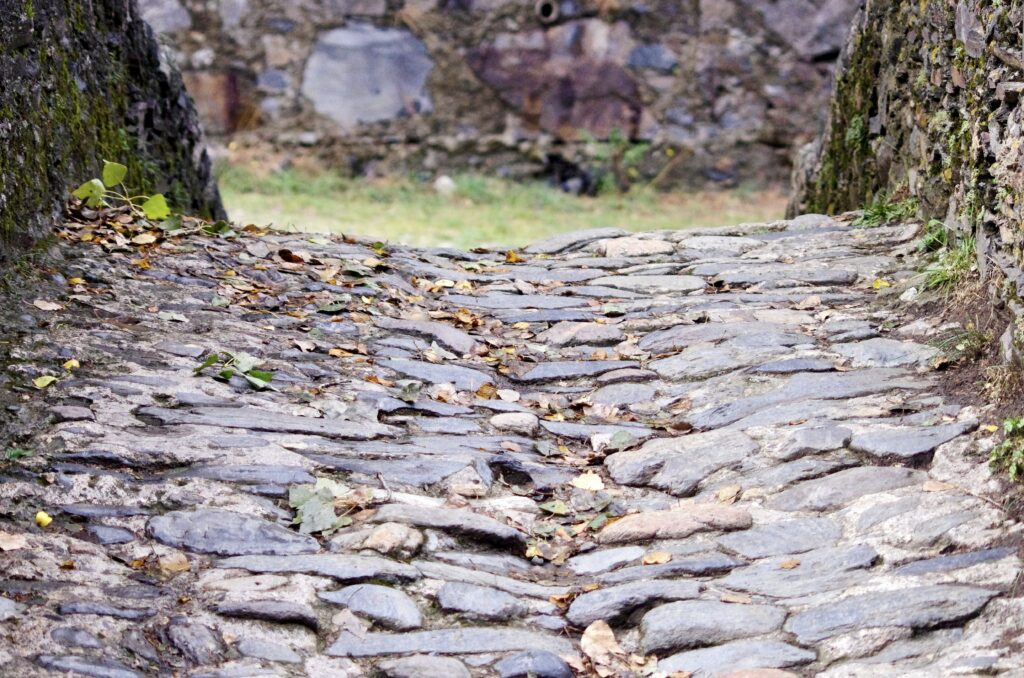
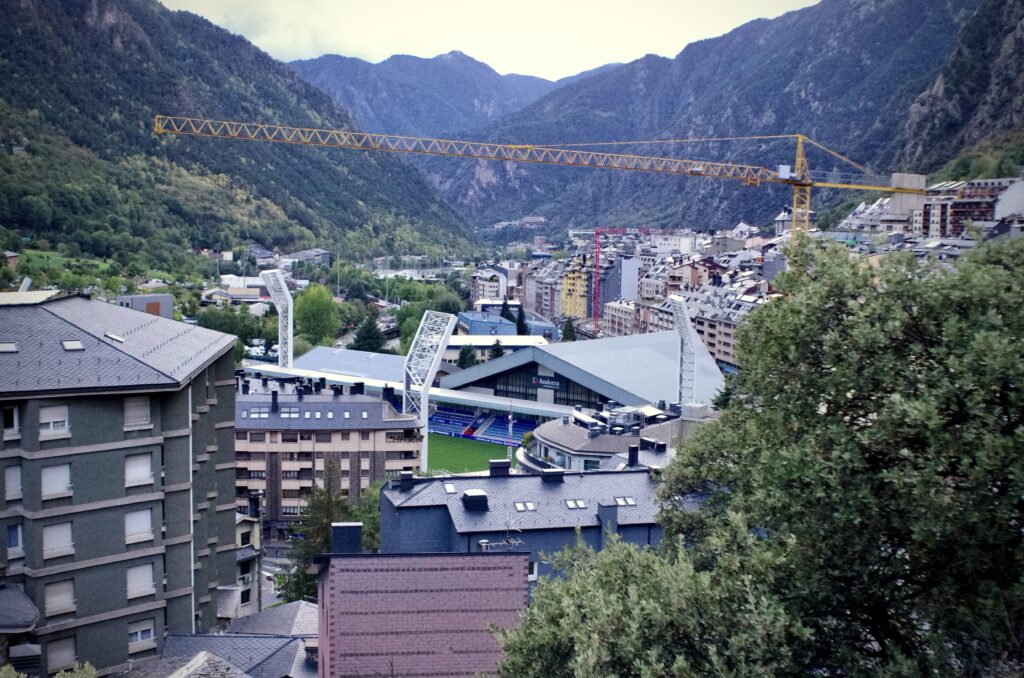
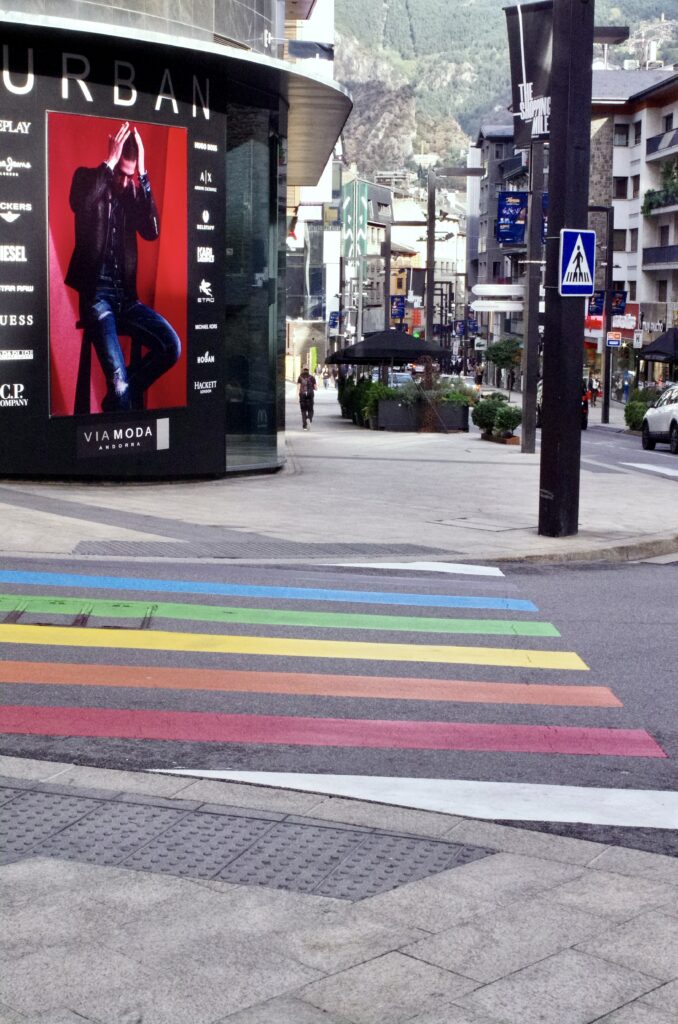
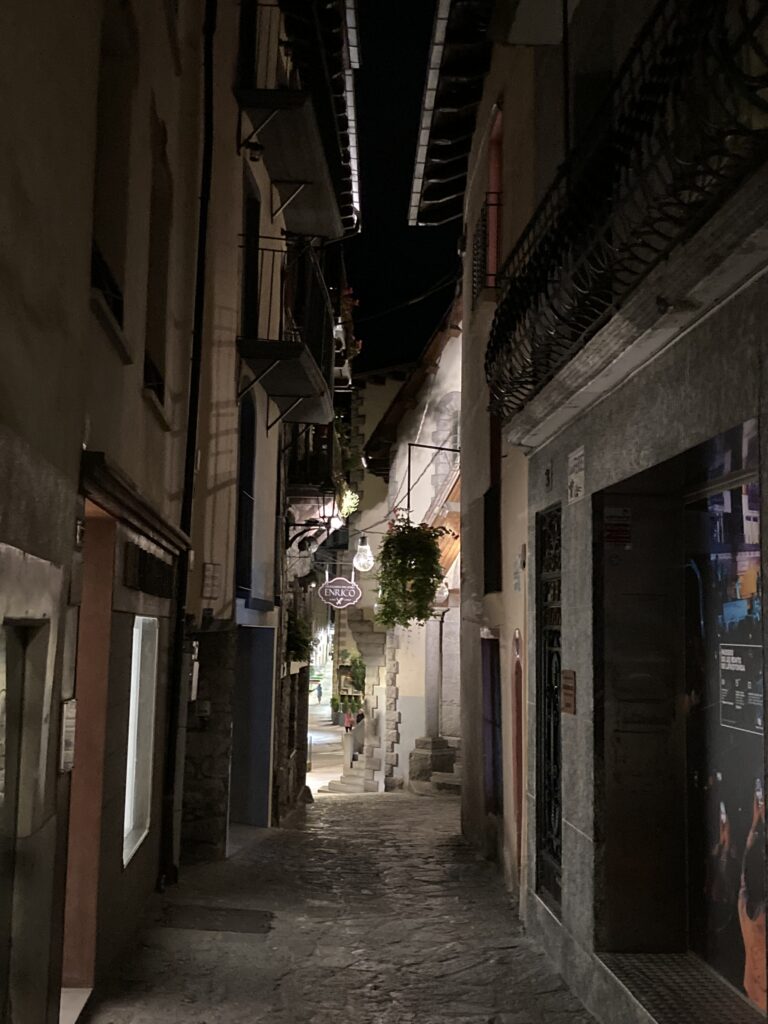
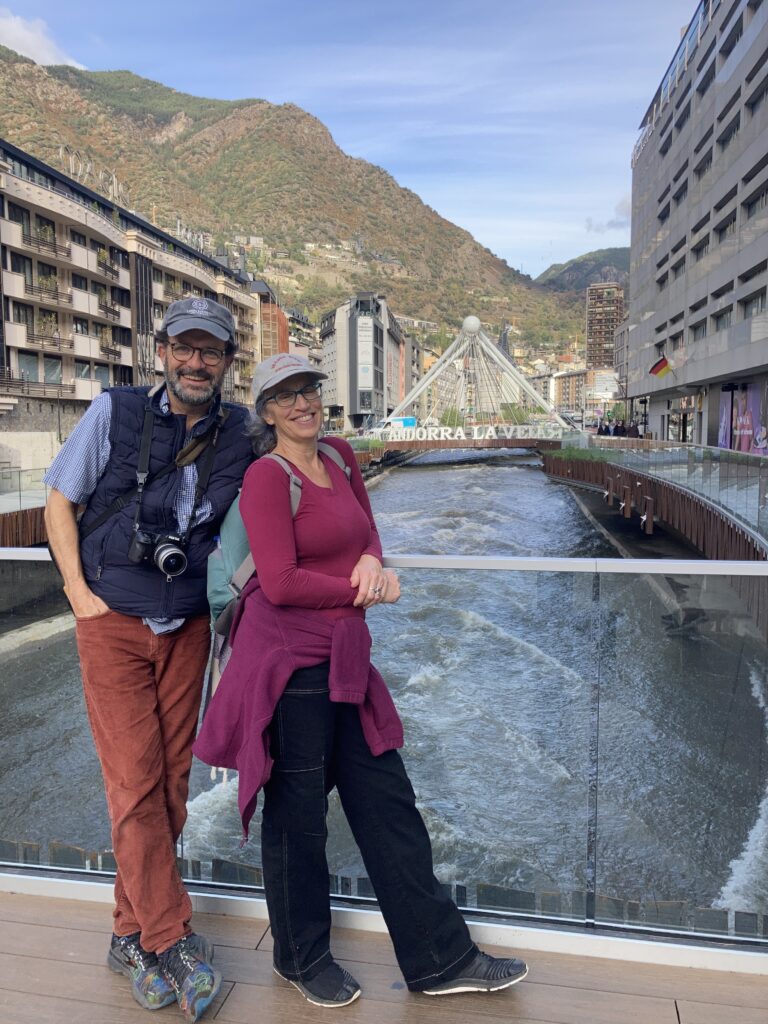
This is Andorra’s national assembly building. It is guarded by not so much as a rent-a-cop. While much of Andorra’s capital, Andorra La Vella, is modern, some of the outlying communities have an older-feeling vibe. This is Ordino. Another photo from OrdinoFolks in Andorra have been building bridges and other structures to make transportation possible for centuries. This bridge, for example, is ancient. Automotive transportation would be impossible in Andorra without impressive feats of civil engineering. Even some of the hiking paths are engineered. This bridge was particularly charming. Here’s the same bridge but from the inside. Andorra La Vella is a small city, but it is vibrant. Someday I hope I can watch a soccer match in that stadium. Andorra La Vella by day. Andorra la Vella at nightWe’re ready to move to Andorra.
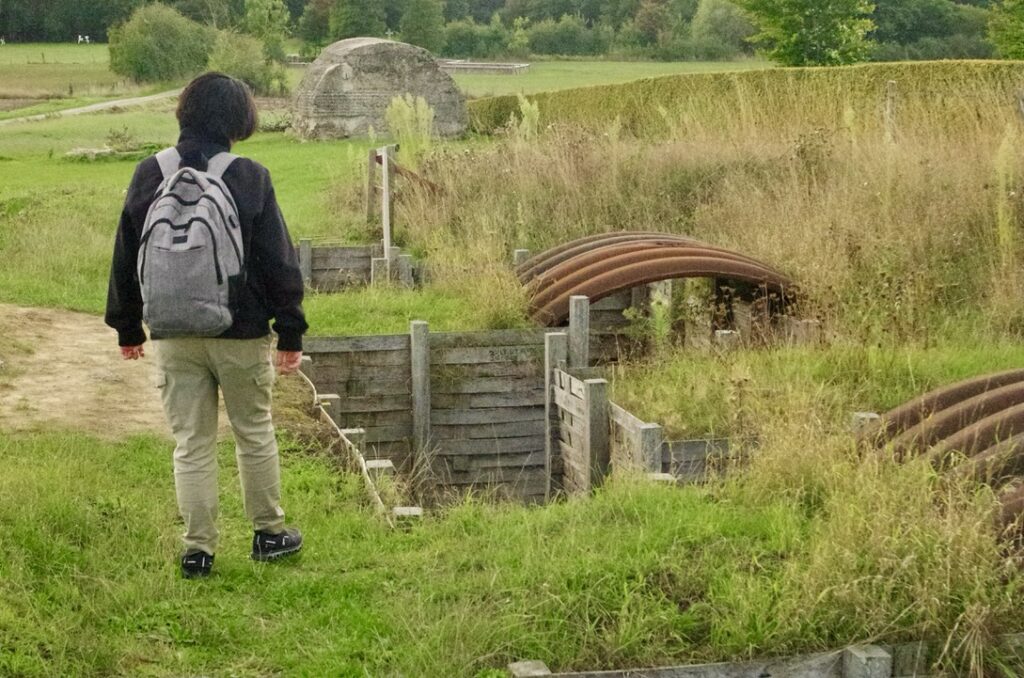
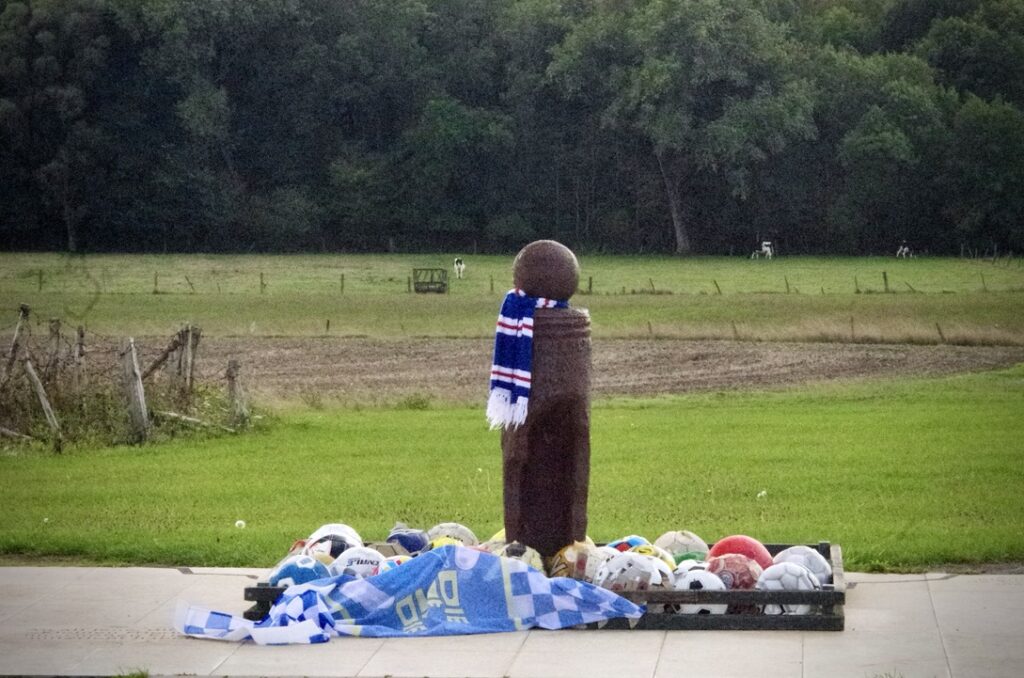
In the book’s epilogue, I traveled with my eldest child to a field in Belgium where the World War I Christmas truce is memorialized.
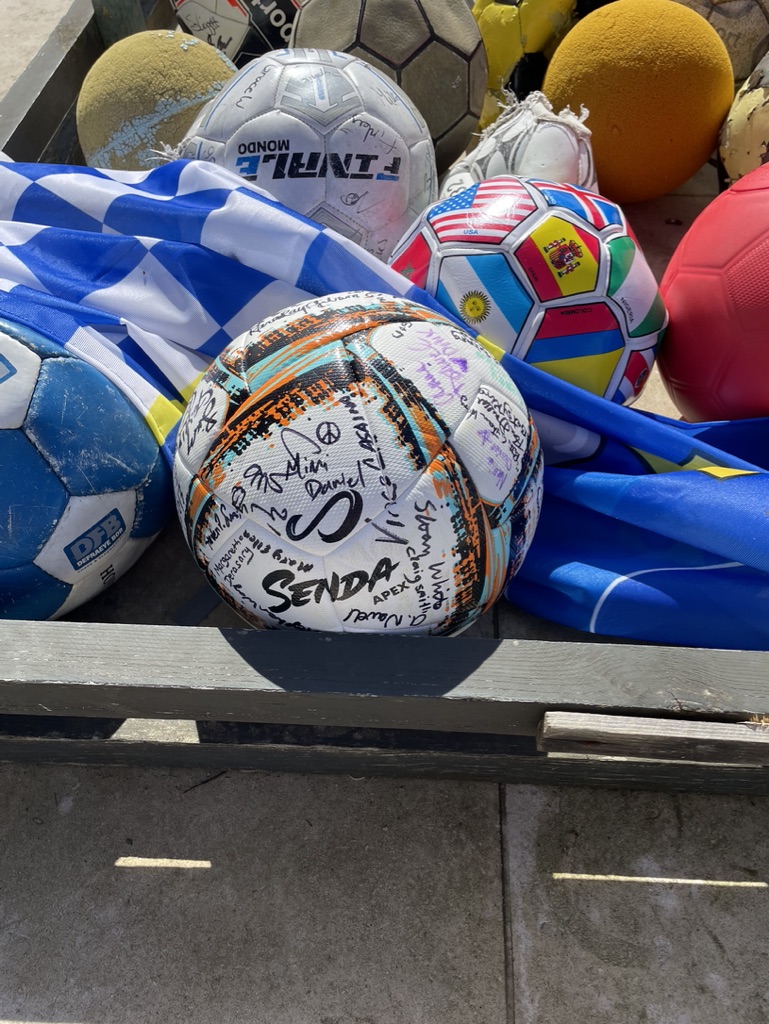
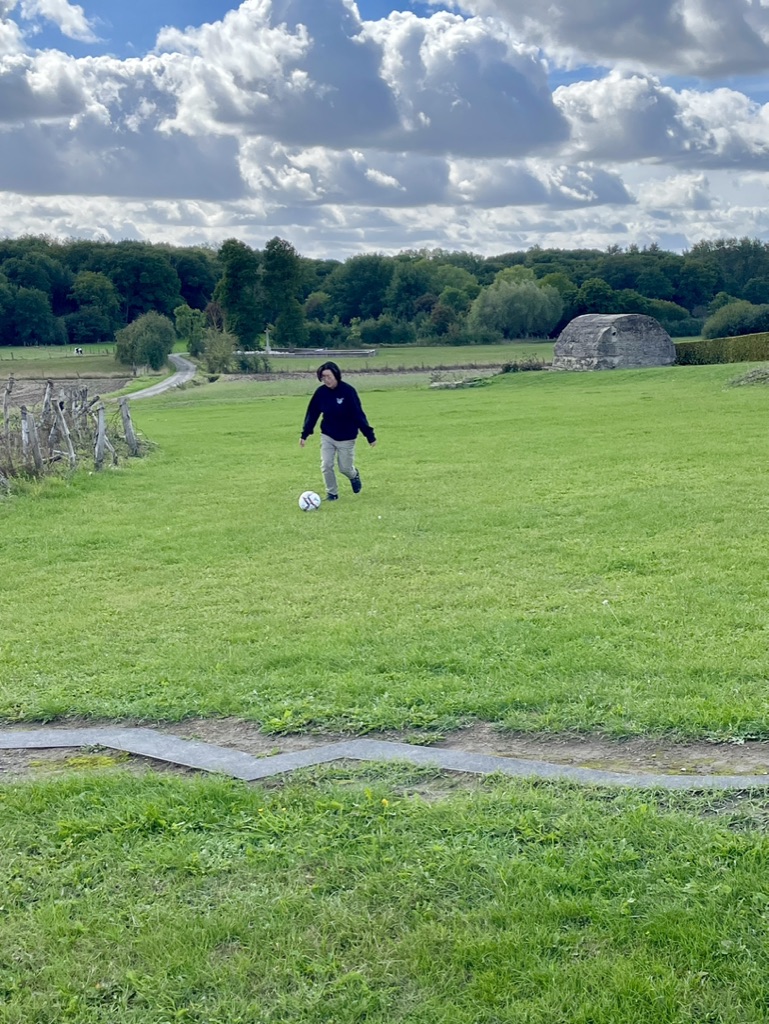
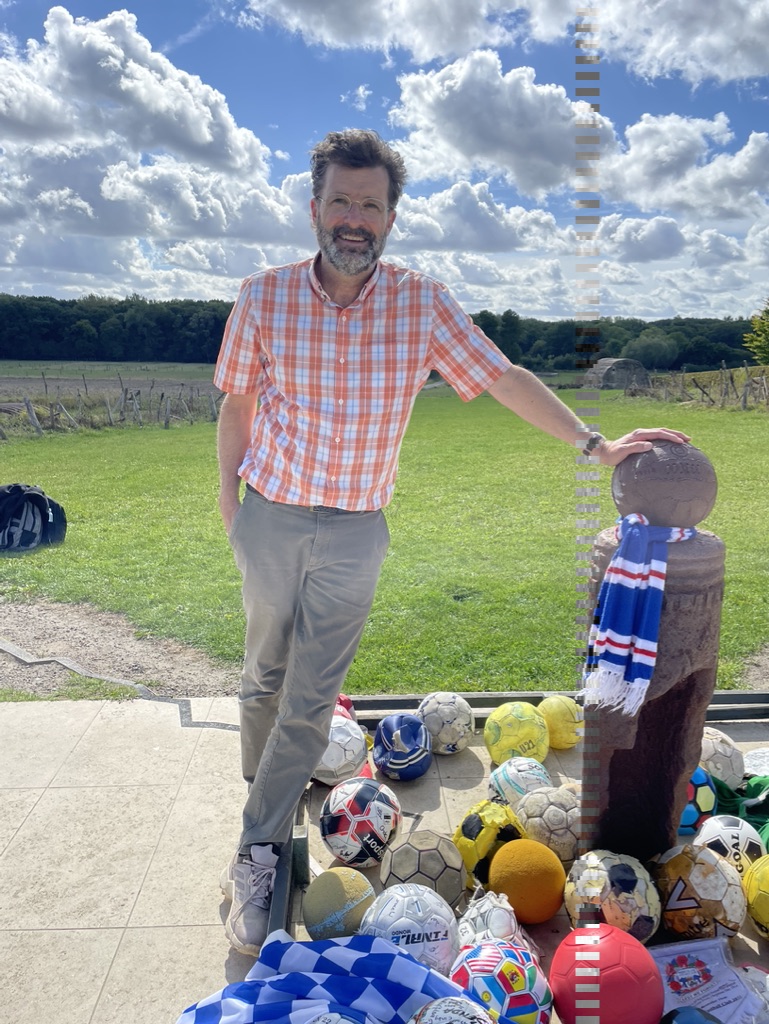
My eldest child and I visited a place along the Western Front in Belgium where trenches and bunkers have been restored, facing off across a few dozen meters of No-Man’s-Land.More than a century after the end of the war, it is still a painful place to visit. But also it is hopeful. This is a place where, on the first Christmas of the war, German and British troops observed a truce. They exchanged gifts, drank beer and played soccer together in No-Man’s-Land. UEFA, the governing body of European soccer, has built a memorial to the soccer played between the trenches during the Christmas truce.We brought a ball with us that had been sighed by 75 folks, including the several members of our nuclear and extended family, members of our church, the Mayor of Oakland, co-workers and friends friends in Scotland. Each name on the ball represents a prayer for peace. We kicked the ball around No-Man’s-Land, where that hopeful truce in honor of Prince of Peace was observed all those years ago by soldiers who realized the war wasn’t really their war. Their only desire was to get home alive, and playing soccer was a better way to realize that dream than was trying to kill one another.Visiting the Christmas truce memorial seemed like a fitting way to end a book about peace. May we all lay down our weapons and pick up a ball and play. Or, if you’d rather, a guitar. Or a pair of knitting needles. Or whatever. May peace be our work and our goal.
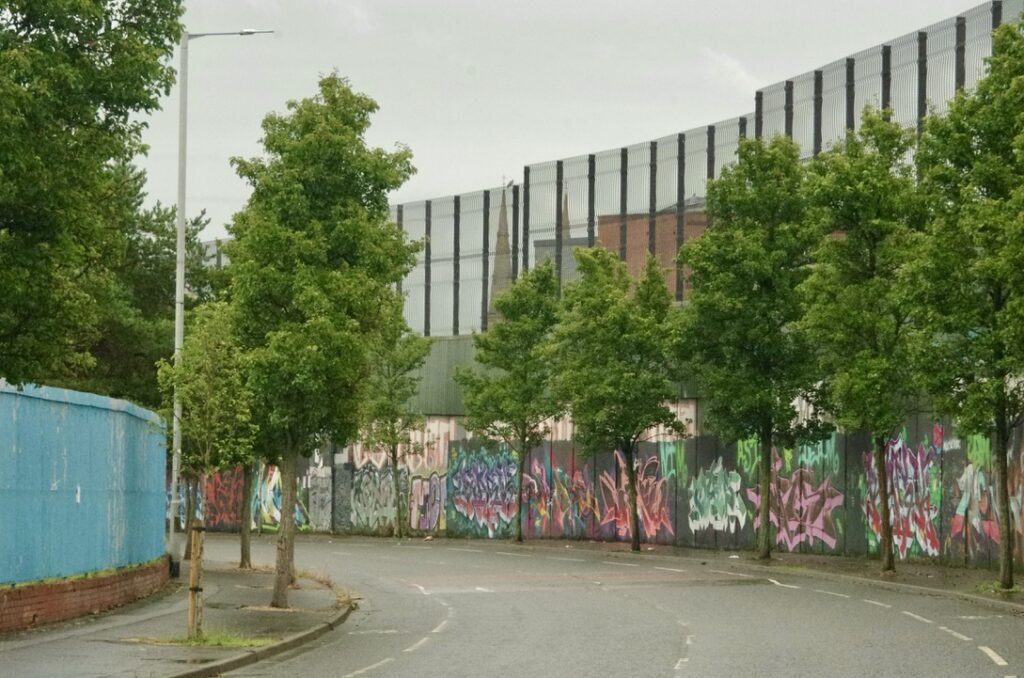 This is the wall that separates the Catholic and Protestant neighborhoods in Belfast. The wall is taller than the Berlin Wall and also taller that the separation wall in the West Bank.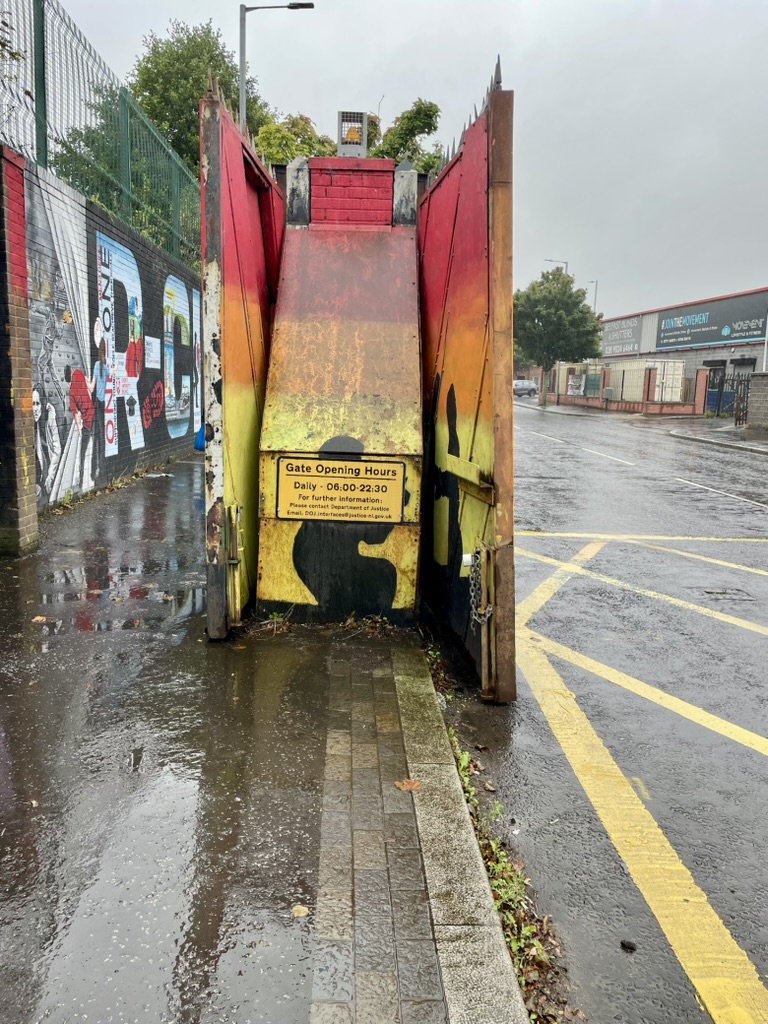
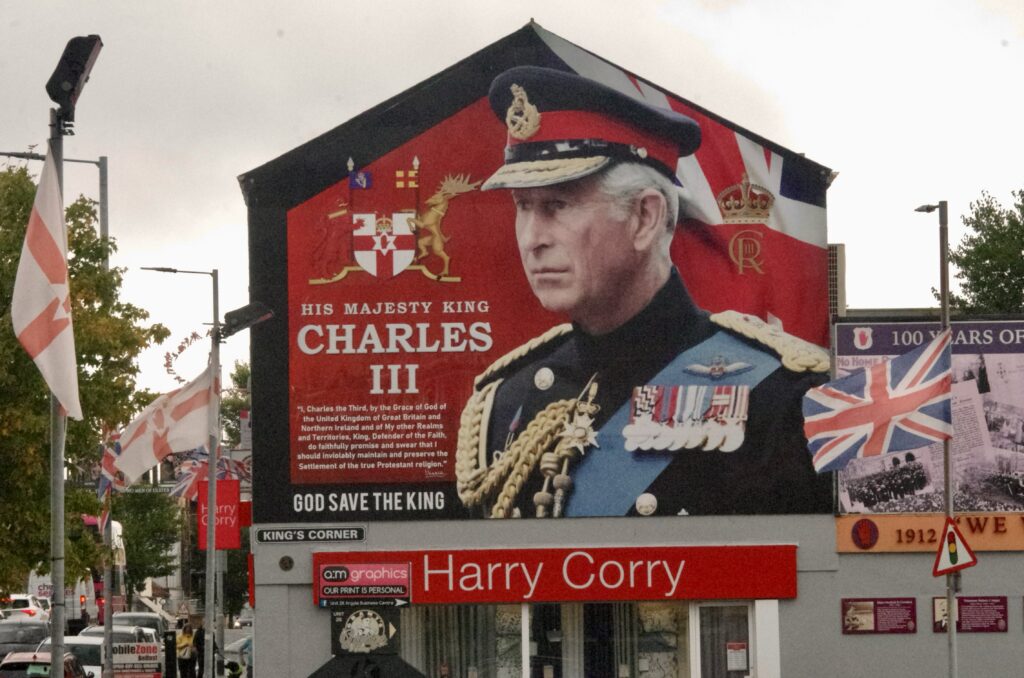 On the Protestant side of the wall they love the King.
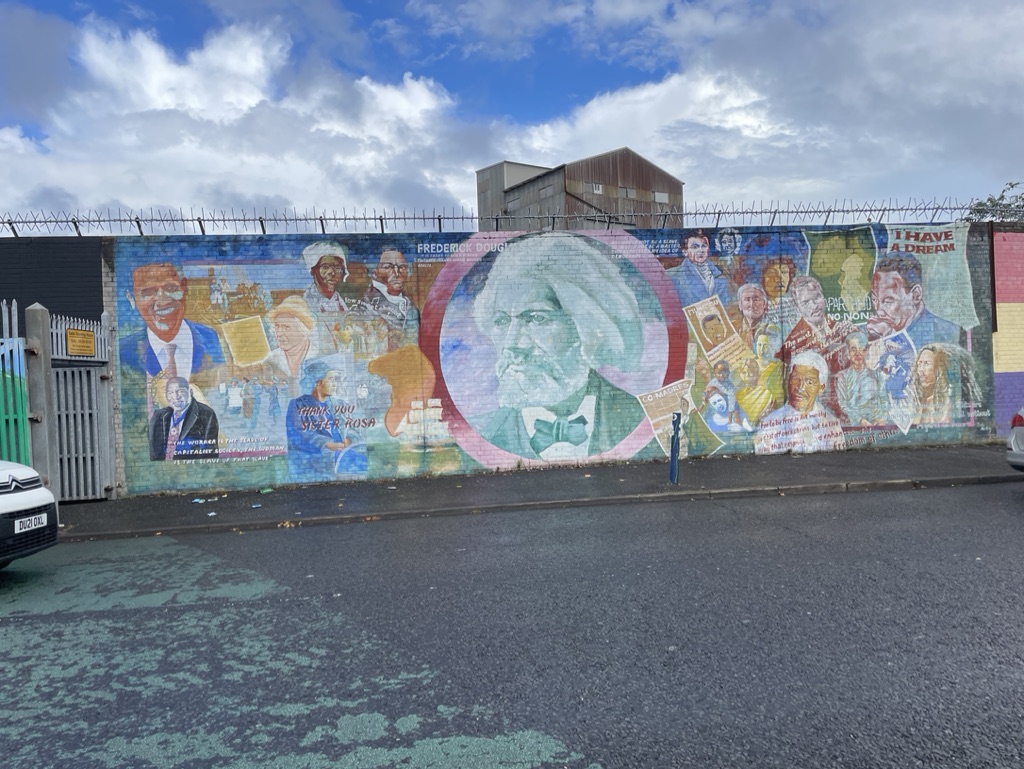 On the Catholic side they celebrate the American civil rights movement.